
Gear cost per night for clubs: how to compare kit beyond the price tag
How a club or organiser can compare gear by cost per night instead of price: the formula, worked examples with round numbers, and how to keep a real count.
By Outlandia Editors ·
A club that owns shared gear, or an organiser who equips groups, buys differently from a family. The family asks what a tent costs. The club should also ask what a night in it costs. The second question can give a different answer, and it is the one that matters when the same tents go out twenty weekends a season.
Two different costs
Cost of ownership is everything the item costs you over its life: the purchase price, repairs, cleaning and other upkeep, minus anything you get back when you sell or pass it on. Cost per night spreads that total over the nights the item was actually used.
Cost per night = (purchase price + repairs + upkeep − resale value) ÷ nights used.
Leave out resale if you never sell gear. The hard part is the bottom number. Only your club can estimate it: how often you go out, how many nights per trip, and how hard your conditions are. The best source is your own log, not a lifespan claim from any maker. The numbers below are round and illustrative, not our prices. Plug in your own.
Worked example: a club tent
A club runs 15 overnight trips a season, and each shared tent goes out on about 10 of them, two nights each: 20 nights a season.
- Tent A costs 400 AED and is retired after one season: 400 ÷ 20 = 20 AED a night.
- Tent B costs 900 AED, needs 100 AED of repairs and lasts three seasons in your log: 1,000 ÷ 60 ≈ 17 AED a night.
- Tent B retired after two seasons instead: 1,000 ÷ 40 = 25 AED a night. Now the cheaper tent wins.
- Tent B sold on for 200 AED after three seasons: 800 ÷ 60 ≈ 13 AED a night.
That third line is the honest point. A more expensive item comes out ahead only if it is used often enough and lasts long enough in your conditions. A club that camps twice a season may never reach the break-even point; a club that camps every other weekend can reach it quickly. The calculation tells you which one you are.
There is also a cost the formula does not show: the trip itself. A tent that fails on the second night of a crossing costs the group a bad night and sometimes an early return. For a club, reliability is part of the price.
What raises the number of nights
Two things decide the bottom of the formula: build and care. On build, look at the parts that wear first in desert use, such as poles, floors and zips. The Grand Mesa 4P has lightweight aluminium poles and Quick Corners for fast setup; the Discovery Basecamp 6P has Quick Corners, an X pole design, a waterproof rainfly and pre-attached guylines. Fast, repeatable setup matters for a club: a tent that beginners can pitch correctly is pitched correctly more often.
On care, a footprint is a cheap way to protect the floor from sand and stones; Kelty describes its footprints as helping prolong the life of the tent floor. The Grand Mesa 4P Footprint and the Discovery Basecamp 6P Footprint match these two tents. Whether it pays for itself in your club is a question for the log: compare floor repairs on tents used with and without one.
Club tents and footprints
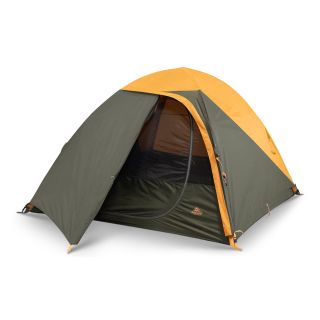 KeltyGrand Mesa 4P TentfromAED 224.95in stock
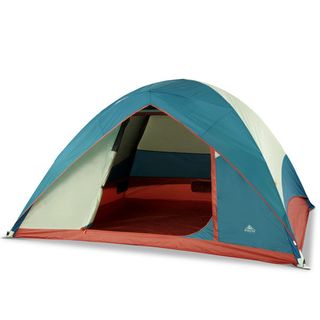 KeltyDiscovery Basecamp 6P TentfromAED 179.95in stock
 KeltyGrand Mesa 4P FootprintfromAED 39.95in stock
 KeltyDiscovery Basecamp 6P FootprintfromAED 34.95low stock
Small items, big numbers
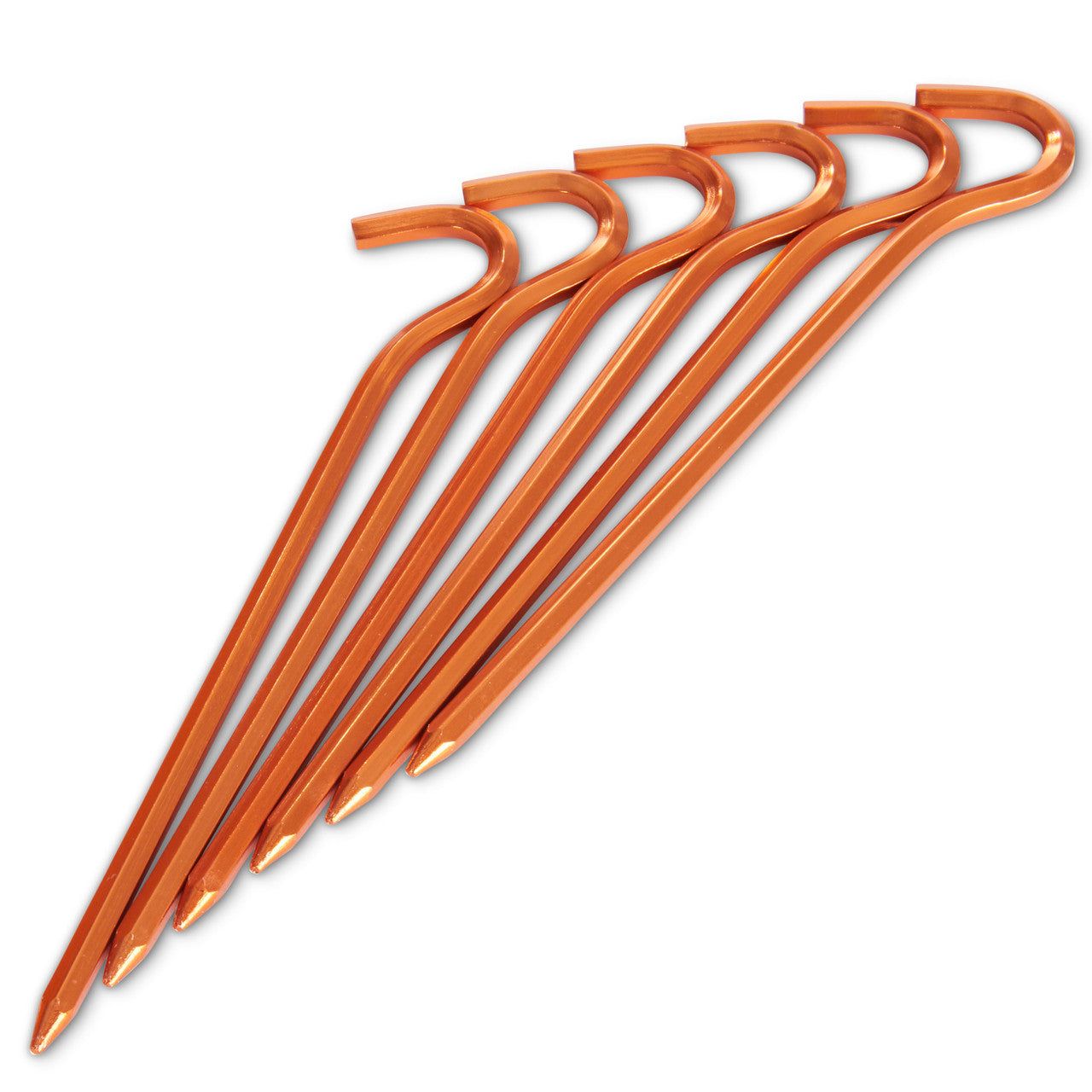
Stakes are where clubs quietly lose money: bent, left in the sand, given away. Count them for the whole club, not per set. If a club buys 100 stakes at 5 AED each and loses or bends a third of them every season, that is about 170 AED a season gone. The NoBendium II stakes are hexagonal, high-strength aluminium with a long tapered point, and come in a 100-piece pack for club stores. Kelty describes the Basecamp Stake as built to last. Your loss log will show which works for your ground.
Chairs are the other item that goes out on every trip and is used every evening, so their night count climbs fastest of all. The Lowdown Chair has a durable steel frame and a low, slightly reclined seat.
Club stores
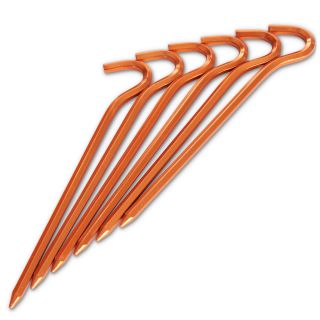 KeltyNoBendium II Stake (6 Pack)fromAED 19.95in stock
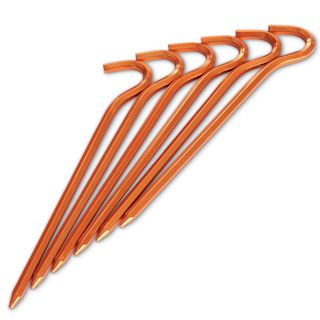
- −25%
KeltyNobendium Ii Stake (100 Pieces)fromAED 65.97AED 87.96in stock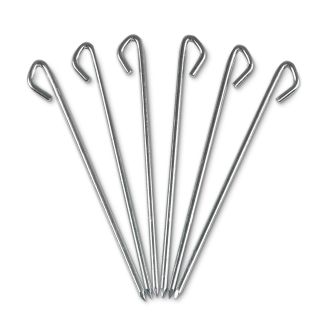 KeltyBasecamp Stake (6 Pack)fromAED 24.95in stock
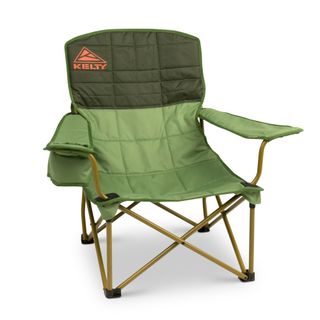 KeltyLowdown Chair — DillfromAED 79.95in stock
How to keep the count honest
- Number every item in the club store and log each trip and night it goes out. A shared sheet is enough.
- Log every repair and its cost, and any cleaning or upkeep you pay for, next to the item.
- When an item is retired or sold, write down its final night count and what you got for it.
- After two seasons, use those real numbers, not guesses, when you compare a new purchase.
- Assign care: whoever takes a tent out returns it dry, clean and counted.