
A camp kitchen for a group of 10 or more
How to lay out, shade, organise and run a safe camp kitchen for 10 to 20 people: stations, gas and fire, a shared tarp, water and waste.
By Outlandia Editors ·
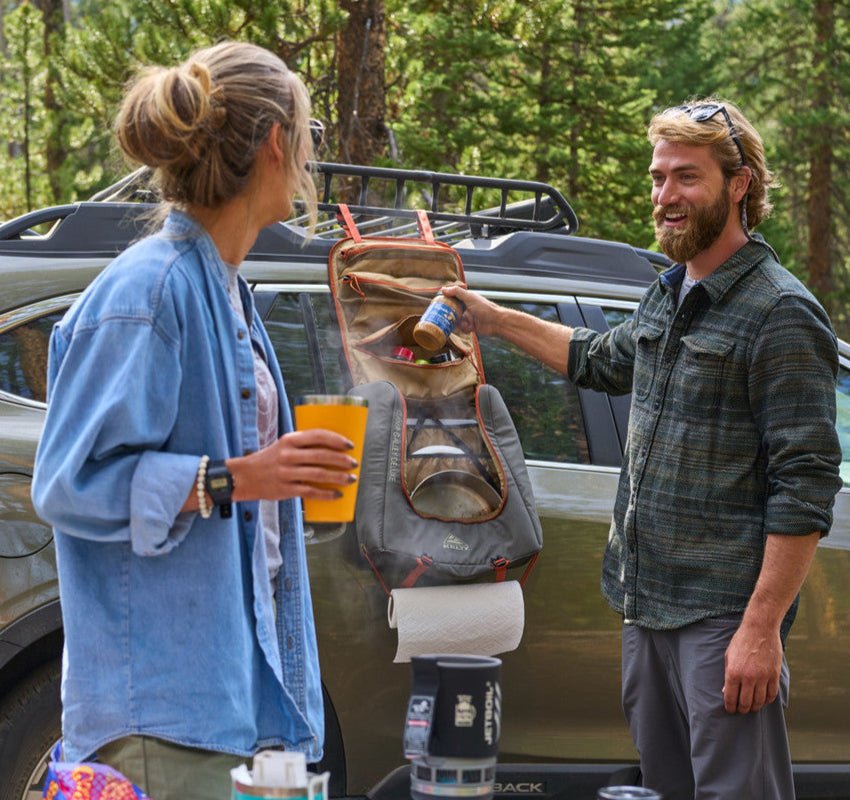
A kitchen for four is a stove and a cool box. A kitchen for twelve is a small operation: two or three cooks working at once, a queue for plates, gas and an open fire within a few metres of people, and rubbish that grows every meal. The usual problems are no layout, no shade and nowhere to put things. This guide covers the structure and the safety rules, not the menu.
Lay it out as stations
Put the kitchen in its own area, apart from the main shelter and the tents, and split it into four zones. Keep them in the same order every trip, so anyone in the group can help without asking where things are.
- Prep: a table, boards and knives, out of the walkway.
- Cooking: stoves on a stable, level, non-combustible surface, downwind of the eating area, with a clear zone around them where nobody stands to chat.
- Serving: plates, cutlery and food at the end where people queue, away from the stoves.
- Washing and waste: at the far end, next to the bins.
For a big group, keep the queue away from the stoves. Put serving at the opposite end from cooking, and people will line up there.
Gas, fire and the rules that apply
- Read the stove maker’s instructions for clearances to tables, walls and fabric above, and keep them.
- Keep gas cylinders upright, out of direct sun and away from heat and flame. Spare cylinders stay outside the cooking zone.
- Check hoses, regulators and connections before every trip and again at camp; replace anything cracked or stiff.
- Never leave a lit stove unattended.
- Keep a fire extinguisher and a fire blanket at the cooking station, in sight and within reach, and show the group where they are.
- Lighters, matches and spare gas fittings stay with the kitchen lead, not in a shared box.
For the campfire, Abu Dhabi Civil Defence advises keeping it at least 9 metres from the tent or any flammable materials, small, and away from windy, dry spots, with a shovel, sand or water ready to put it out (ADCD camping safety tips). Apply the same distance to the kitchen shelter and to fuel stores.
Commercial events are held to stricter rules. Abu Dhabi’s occupational safety code for temporary structures bans outdoor cooking that produces sparks or grease-laden vapours within 6 metres of a tent or canopy, and requires a Civil Defence permit for any use of LPG (ADOSH-SF CoP 43.0). That code is for employers and events, not for a private club camp, but it shows the distances professionals work to.
Shade over the kitchen
Cooks stand in one place for an hour or more, often in the low, hot sun before sunset. The prep and serving areas need their own roof, separate from the sitting area. Kelty’s Noah’s Tarp range is made to shade groups of one to twenty. The Noah’s Tarp 16 is 488 by 488 cm, about 23.8 m², according to Kelty; the Noah’s Tarp 12 suits a smaller crew or a second roof over washing. Whether one tarp is enough depends on how many stations, tables and serving lines you put under it, and on the clearance you keep from the stoves and the fire. Keep stoves out from under the fabric unless the stove maker’s instructions allow the overhead clearance you have.
Poles are sold separately, and clubs forget them. The Staff Pole is aluminium and about 198 cm long. The Adjustable Pole is aluminium and adjusts from about 203 to 251 cm, so you can drop the windward side when the wind turns. Guy the tarp out fully, and on loose sand weight each line with a Sand Bag Stake filled with about 9 kg of sand.
Kitchen roof
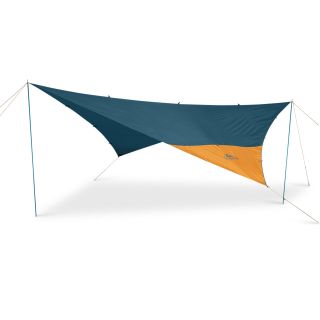 KeltyNoah's Tarp 16fromAED 109.95in stock
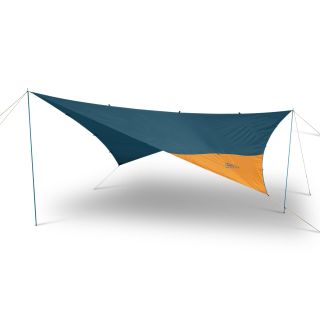 KeltyNoah's Tarp 12fromAED 89.95in stock
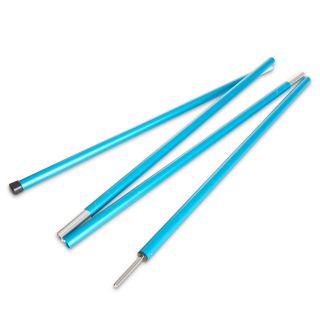 KeltyStaff PolefromAED 59.95low stock
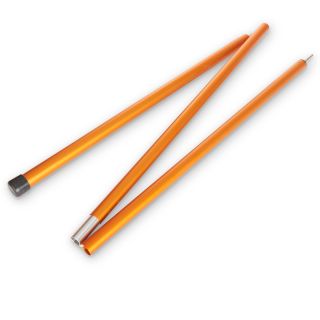 KeltyAdjustable PolefromAED 99.95low stock
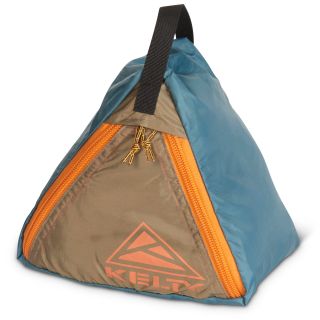 KeltySand Bag StakefromAED 19.95low stock
Storage that hangs, not stacks
Gear that lies in boxes on the sand gets buried, mixed up and full of grit. Gear that hangs is visible and stays clean. The Camp Galley Deluxe is a structured cupboard that hangs off a roof rack, with three zippered pockets, two sleeves for boards and plates, and a paper towel holder. Kelty designs it for the kitchen gear of a family of four, so for a group of twelve plan one per cooking station. The Camp Galley is the simpler version, and the Chef Roll has four zippered pockets for the serving end. The Window Seat is a padded cube with a clear top and a removable divider; use it for shared items people ask for, such as the first-aid kit, spare cutlery and bin bags.
Kitchen storage
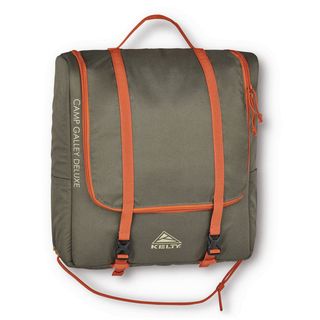 KeltyCamp Galley DeluxefromAED 79.95in stock
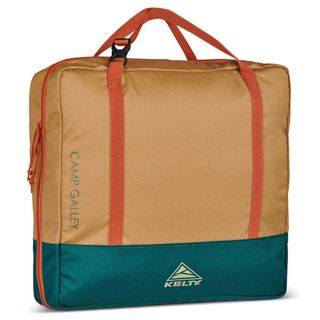 KeltyCamp GalleyfromAED 69.95in stock
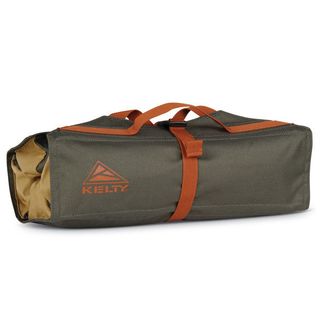 KeltyChef RollfromAED 44.95in stock
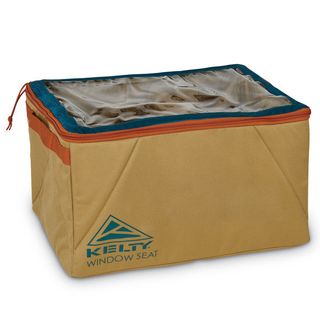 KeltyWindow SeatfromAED 59.95in stock
Surfaces and water
Count work surfaces before the trip: at least one per station. A side table such as the Rad-Arondack Table is fine for drinks and condiments at the serving end, but it is not a cooking surface; prep and stoves need full-size, stable tables at working height. For paper towels, the Spill-Ender is a hanger, cover and dispenser in one, so the roll does not blow away or fill with sand.
Gear in this guide
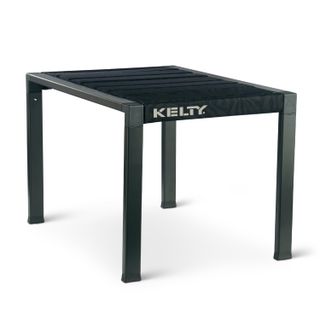 KeltyRad-Arondack Table — Black FernfromAED 99.95in stock
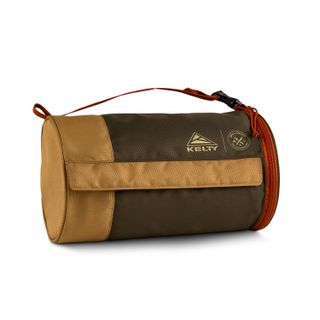 KeltySpill-EnderfromAED 29.95in stock
Water runs out first on group trips. Do not use a fixed norm; count it for your group, your menu and your days, in four separate lines:
- Drinking: per person per day, from your own past trips, more on hot days.
- Cooking: from the menu, per meal.
- Washing up, handwashing and hygiene: per meal and per day.
- Emergency reserve: kept sealed, not touched for cooking or washing.
Keep drinking water and washing water in separate, labelled containers, and put a tap container at the handwashing point.
Rubbish for twenty people
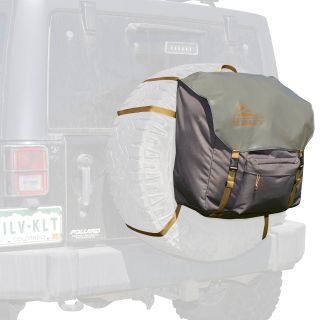
None of it can stay in the desert. Set up two bins at the washing station from the first meal: general waste and recycling. The Litter G’tter is a durable, spill-resistant mobile bin. The Trash Pak mounts outside the car, holds a weekend of waste and recycling, and keeps smells out of the cabin on the drive home. Make one driver responsible for the final sweep of the site.
Waste
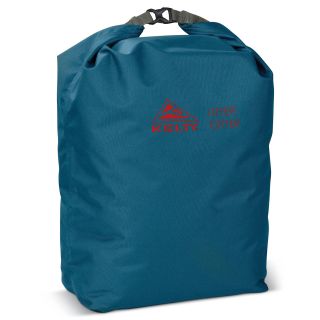 KeltyLitter G'tter — Deep TealfromAED 29.95in stock
- −25%
KeltyTrash PakfromAED 97.46AED 129.95in stock
Group kitchen checklist
- Kitchen area separate from the main shelter and tents; campfire at least 9 m from tents and anything flammable.
- Stations: prep, cooking, serving, washing and waste, always in the same order.
- Stoves on a stable, non-combustible surface, clearances as the maker specifies, never unattended.
- Gas upright, out of the sun, hoses checked; lighters with the kitchen lead.
- Extinguisher and fire blanket visible at the cooking station.
- Water counted in four lines: drinking, cooking, hygiene, sealed reserve.
- Waste: two bins from the first meal, one car responsible for taking it all out.