
New season check: what to replace in your camping kit
A 30-minute check of your tent, sleeping gear and furniture after the summer, the signs that something must go, and how to count what a replacement costs.
By Outlandia Editors ·
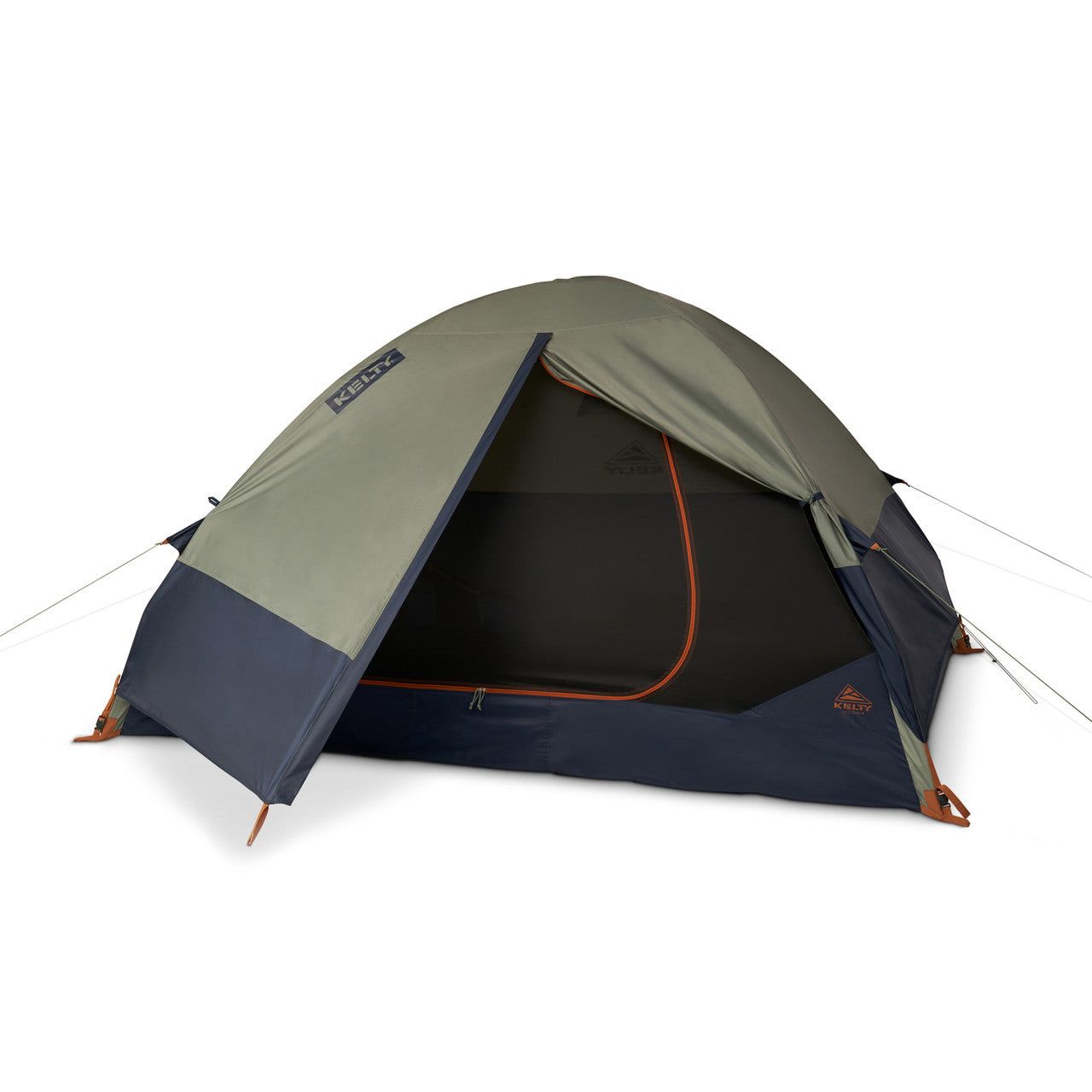
Your gear has spent the summer in a store room, and the season is open. Before the first trip of the winter, take everything out and check it in daylight. It takes about half an hour and saves you from finding a broken pole in the dark, in the wind, far from the nearest shop.
The tent
Pitch it at home, on a roof or in the garden, exactly as you would in the desert.
- Fabric: hold the rainfly up to the light. Heat and UV make old fabric thin and brittle; if it tears when you pull it gently between your hands, it is likely to tear in the wind.
- Poles: look for cracks near the joints and check that the elastic cord inside still pulls the sections together. A cracked section can make the tent fold in a gust.
- Zips: run every zip all the way. Sand in the teeth often stops a zip from closing properly; brush it out and test again.
- Floor: look for holes and worn patches. A worn floor lets in sand and damp.
- Stakes and guylines: count them. Bent stakes and frayed lines are cheap to replace and expensive to miss.
If the fabric or poles have failed, replace the tent. Look for aluminium poles, a full rainfly and a good set of guylines: the Grand Mesa 2P and Grand Mesa 4P have lightweight aluminium poles and Quick Corners for fast setup; the Late Start 4P has pre-bent aluminium poles for more room inside. If only the floor is worn, a footprint such as the Grand Mesa 4P Footprint protects the new one. Kelty describes the hexagon-shaped NoBendium II aluminium stakes as made for tough ground; for loose sand, add Sand Bag Stakes.
Gear in this guide
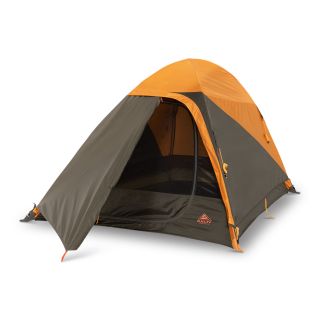 KeltyGrand Mesa 2P TentfromAED 149.95in stock
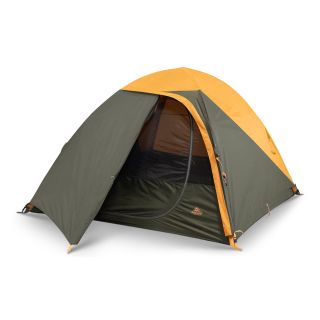 KeltyGrand Mesa 4P TentfromAED 224.95in stock
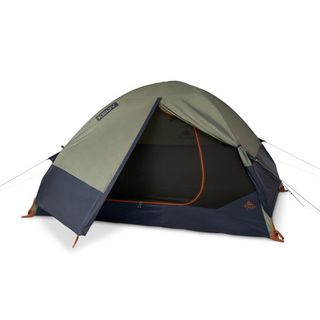 KeltyLate Start 4P TentfromAED 239.95in stock
 KeltyGrand Mesa 4P FootprintfromAED 39.95in stock
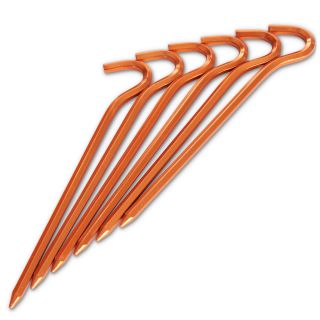 KeltyNoBendium II Stake (6 Pack)fromAED 19.95in stock
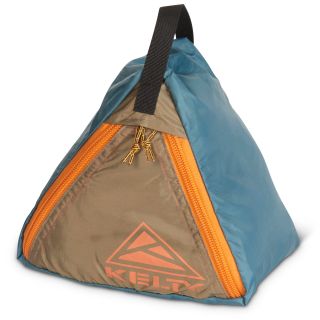 KeltySand Bag StakefromAED 19.95low stock
Sleeping bags and pads
Take each bag out of its sack and shake it. Give it time to recover: leave it spread out for a few hours, or overnight, before you judge it. Then lay it flat and look for spots that stay thin, clumps of filling, damp patches and open seams. Down that has bunched up can often be worked loose by hand. If the bag is clean and dry and still stays flat in places, check the manufacturer’s care advice before you decide; Kelty notes that older bags lose warmth over time and suggests testing an old bag close to home before a real trip.
If you were cold last winter on a night the bag should have handled, look at something warmer. For winter nights in the mountains, the Cosmic Down 20 is labelled for about −7 °C. The 20 in the name is the US label of the model, not degrees Celsius and not a comfort figure; see how to read comfort and limit ratings.
Pads next. Open the valve of a self-inflating pad and give the foam time to expand. If it does not fill completely by itself, top it up, close the valve and leave it overnight. Soft in the morning means a leak somewhere. The Mistral SI is a light replacement; for camping next to the car, the thick Waypoint SI is the biggest pad in the Kelty range.
Gear in this guide
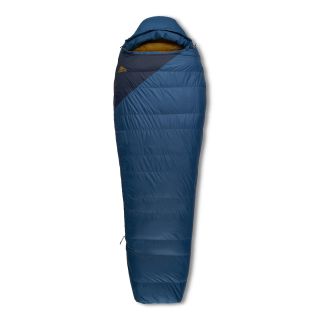 KeltyCosmic Down 20 Sleeping BagfromAED 179.95in stock
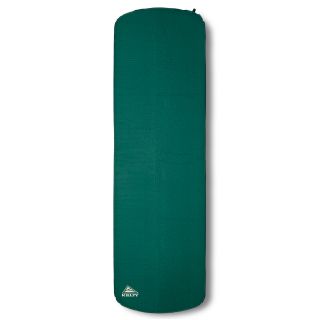 KeltyMistral Si Sleeping PadfromAED 49.95in stock
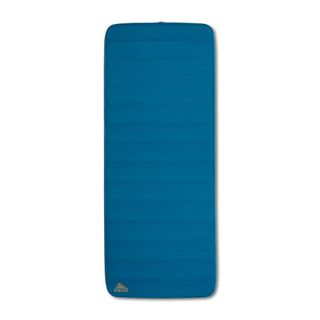 KeltyWaypoint Si Sleeping PadfromAED 189.95low stock
Chairs, tables and the kitchen
Open every chair and sit in it. Check the joints for rust, the fabric for tears where it meets the frame, and the feet. Sand grinds moving parts each time you fold them. A chair with a bent leg can give way under you. The Lowdown Chair and Low Loveseat sit low on a steel frame, which is steadier on soft sand than a tall seat.
Gear in this guide
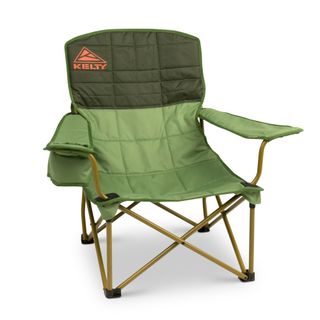 KeltyLowdown Chair — DillfromAED 79.95in stock
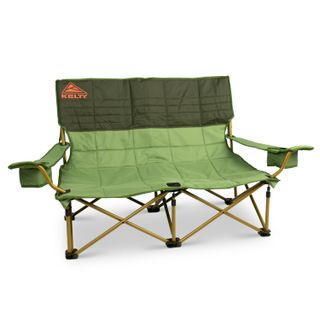 KeltyLow Loveseat — DillfromAED 149.95in stock
For the kitchen, check the stove, hoses and connectors. Look at each gas canister: if it is dented, rusted, swollen, has been overheated or smells of gas, do not use it, and dispose of it as the manufacturer and local rules say. Undamaged canisters go back to a cool, ventilated place, as the instructions on the canister describe.
Repair or replace: count the cost of one trip
Before you buy, do a quick sum: the price of the gear divided by the number of trips it will give you. If you go out most weekends of the season, that can be ten trips or more a year. A tent that costs 800 AED and lasts three seasons of ten trips costs about 27 AED a trip. If each trip is two nights, that is about 13 AED a night. A cheap tent at 300 AED that tears in the wind on the second trip has cost 150 AED a trip, plus the trip itself.
These are round, illustrative numbers. Put in your own. Then ask two questions about anything close to the end: will it survive the windiest night of the season, and how many more trips will I take with it? If the answers are “maybe” and “many”, replacing now is usually the cheaper choice.
Before you pack it all back
- Shake sand out of the tent and bags and let everything dry in the shade, not in direct sun.
- Store bags and pads only when fully dry; Kelty advises keeping pads with the valve open.
- Keep a small repair kit in the tent bag: tape, a pole sleeve, spare cord.
- Write down what you were missing last season and buy it now, before the busy weekends.