
Tent fabrics and poles in UAE sun: polyester or nylon, aluminium or fibreglass
What UV, heat, wind and sand do to tent fabric and poles, how the materials tend to compare, and what to check on a spec sheet before buying.
By Outlandia Editors ·
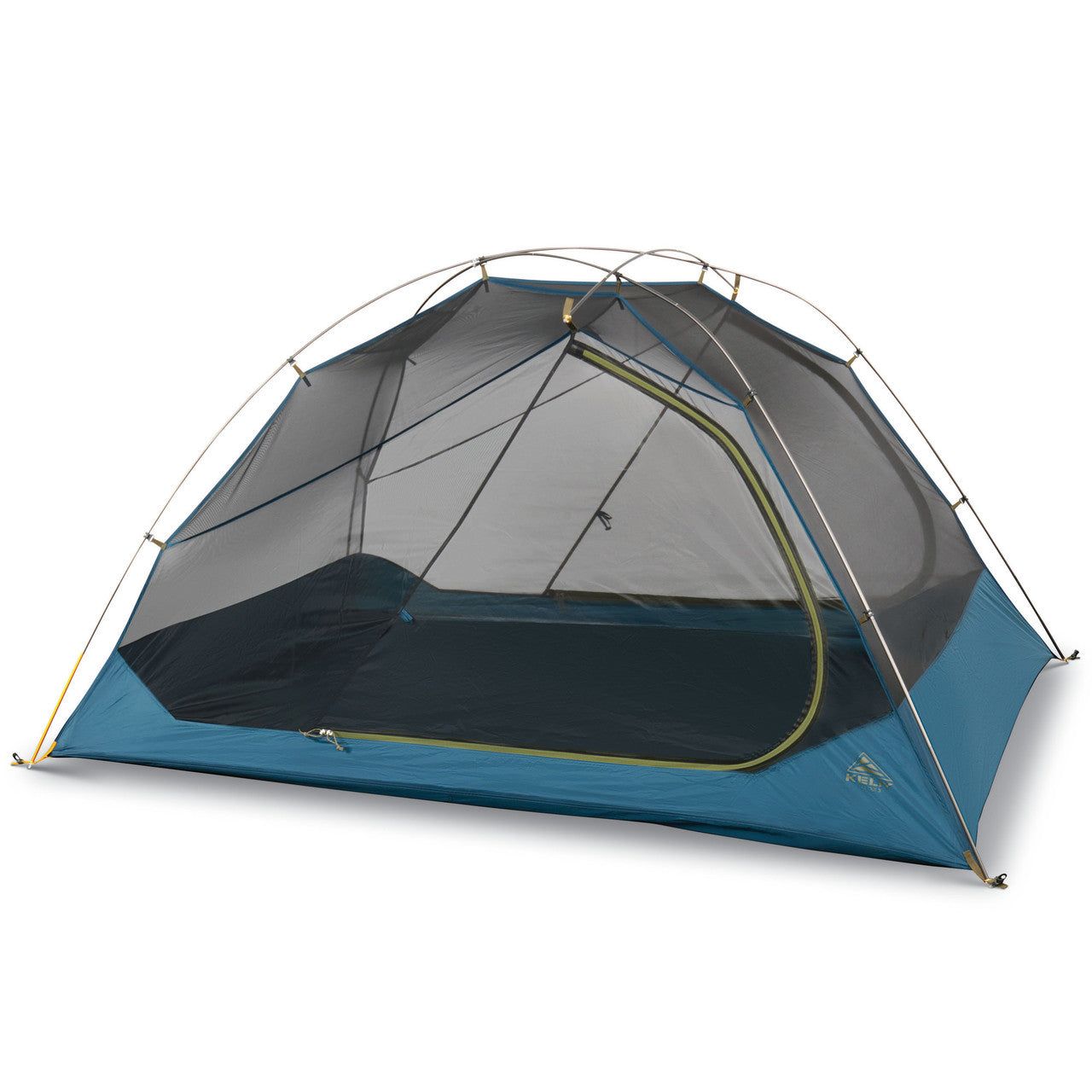
Ultraviolet light, heat, wind and abrasive sand all speed up the wear of a tent, and a UAE camping season brings plenty of each. How long a tent lasts depends on the fabric, its coatings, the poles, how well it is pitched and how it is cared for. A tent left standing for weeks at a winter camp takes far more sun than one pitched for a single night. Fabric and poles are the part of the spec sheet worth reading carefully.
Fabric: polyester or nylon
Most tents use one of these two synthetic fabrics. What follows are general tendencies, not a ranking: a well-made fabric of either kind can outlast a poor one of the other.
- Nylon tends to be strong for its weight and tear resistant, which is why light backpacking tents use it. It tends to lose strength faster under UV, and it absorbs some water and stretches when wet, so a nylon fly may need re-tensioning overnight.
- Polyester tends to resist UV better and stretch less when wet. For similar strength it is often a little heavier.
- Coatings matter as much as the base fabric. A silicone or polyurethane coating is there mainly for water resistance; it does not by itself make a fabric UV resistant. Look for a stated UV treatment if long sun exposure is the concern. A fly that has turned chalky or brittle has lost much of its protection.
- Denier (D) is the linear density of the yarn, a measure of how heavy the thread is. It is not a measure of fabric strength on its own: weave, fibre and coating matter too. The Window Seat storage cube, for example, is built with a 600D exterior, much heavier yarn than any tent fly.
Whatever the fabric, the best thing you can do for its life is to keep the tent out of the sun when you are not in it: pitch it in the evening, take it down in the morning, or put it under a shade tarp at a base camp.
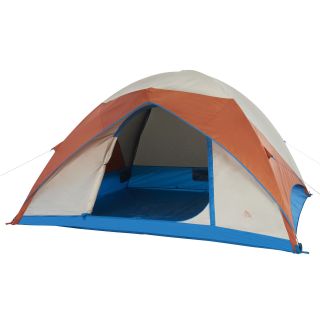
Kelty’s catalog descriptions do not state the fly fabric for each tent, so check the specification on the product page or ask us before buying for long exposure. What the descriptions do state is coverage: the Ashcroft 3P has a full coverage rainfly with taped seams and a vent for airflow, while the Ballarat 6P has a partial coverage rainfly. A full fly shades more of the inner tent, but it does not solve the sun on its own: the fly itself takes the UV, and the tent can still get hot inside.
Gear in this guide
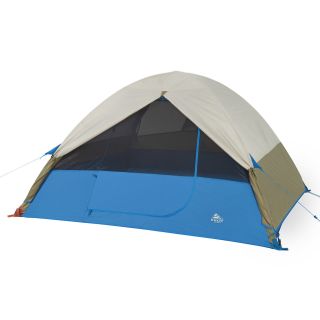 KeltyAshcroft 3P TentfromAED 149.95low stock
- −25%
KeltyBallarat 6P TentfromAED 134.96AED 179.95Out of stock
Poles: aluminium or fibreglass
Again, general tendencies. The real behaviour of a pole depends on the alloy or resin, the diameter, the wall thickness and the shape of the frame.
- Aluminium tends to be lighter and stronger for its weight. Under overload it usually bends or kinks; a kinked section is weakened and needs replacing.
- Fibreglass tends to be cheaper and heavier. It flexes, but when it fails it can crack or splinter, often near a joint, and broken ends can tear the pole sleeve or the fabric.
- Shock cord inside the pole ages in heat. A cord that no longer pulls sections together lets them separate in wind.
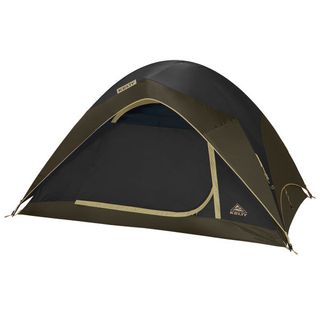
From the catalog: the Grand Mesa 2P and Grand Mesa 4P use lightweight aluminium poles, as does the Far Out 3P, which also includes its footprint. The Highroads Shelter for vehicles combines heavy-duty fabric with aluminium poles. The Timeout 6P uses sturdy fibreglass poles, with a waterproof rainfly and pre-attached guylines; for regular desert use, carry a pole repair sleeve with it, as you would with any tent.
Pole materials from the catalog
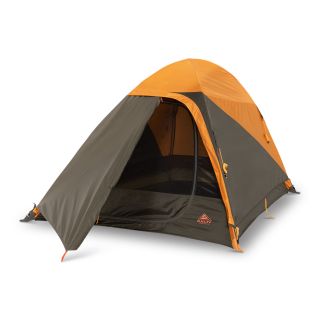 KeltyGrand Mesa 2P TentfromAED 149.95in stock
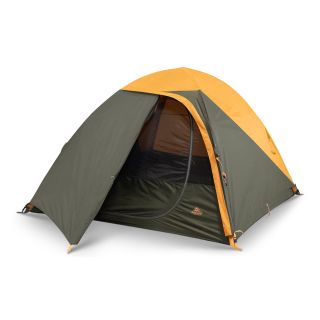 KeltyGrand Mesa 4P TentfromAED 224.95in stock
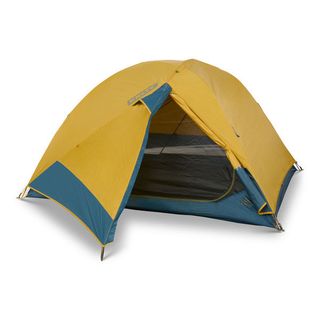 KeltyFar Out 3P TentfromAED 234.95in stock
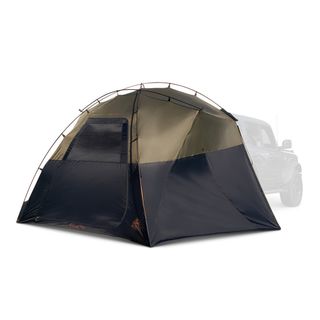 KeltyHighroads ShelterfromAED 284.95in stock
- −25%
KeltyTimeout 6P TentfromAED 127.46AED 169.95in stock
Sand: floors and zips
Sand wears floors and zips. Under a floor it grinds every time someone kneels. In a zip it abrades the teeth and the slider and adds friction, so the slider works harder and wears faster. Brush the zip clear before closing it, and if the slider sticks, stop and clean it rather than forcing it.
A footprint takes the abrasion instead of the floor. Kelty footprints such as the Grand Mesa 2P Footprint and Grand Mesa 4P Footprint are made to match their tents, so no fabric sticks out beyond the floor.
Gear in this guide
 KeltyGrand Mesa 4P FootprintfromAED 39.95in stock
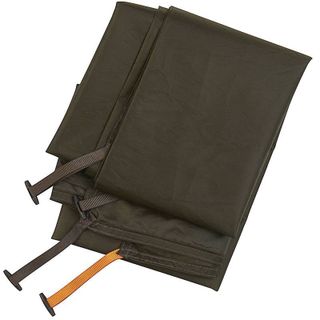 KeltyGrand Mesa 2P FootprintfromAED 34.95in stock
How to read a spec sheet for the UAE
- Fly fabric: polyester or nylon, the coating, and whether a UV treatment is stated.
- Fly coverage: full coverage shades more of the inner tent and keeps out blown sand; partial coverage is lighter and cooler.
- Poles: material, and where possible the diameter. Aluminium is the usual choice for frequent use and wind; fibreglass is fine for occasional trips if you carry a repair sleeve.
- Seams: taped seams on the fly and floor.
- Guylines: pre-attached guylines and enough stake points for a windy night.
- Footprint: available for the model, or included.