
Winter camps in Al Ruwayyah: what to add to your tent and majlis
The 2026–27 Al Ruwayyah season from Dubai Municipality, and what a camp used for months needs: blankets, storage, seating and beds for guests.
By Outlandia Editors ·
Information checked for the 2026–27 season. Seasonal plots at Al Ruwayyah are for UAE nationals, who register through Dubai Municipality’s winter camp site or the DubaiNow app. Ten fully equipped camps for daily rental and plots for caravans are booked separately, on the municipality’s conditions; check who can book them on the official site.
A seasonal camp is not a weekend trip. A family keeps the same plot for months, comes back every weekend and receives guests in the evenings. The majlis tent is usually the centre of the camp. What makes it work for months is the routine around it: bedding that stays clean and dry, gear that packs away fast when you leave for the week, seating for guests, and beds for those who stay the night.
The 2026–27 season in numbers
According to Dubai Municipality, the season runs from 1 November 2026 to 30 April 2027.
- 600 camps, about 120% more than in previous seasons.
- Standard plots of 400 m² and double plots of up to 800 m².
- 50 plots for caravans, offered for the first time.
- 10 fully equipped camps for daily rental.
- Seasonal reservations for three to six months.
- Camps must have temporary fencing and are for family use and camping only.
Fencing, structures and everything else you put on the plot follow the municipality’s conditions for your permit. Read them on the booking site before you bring anything large.
Bedding that stays clean for months
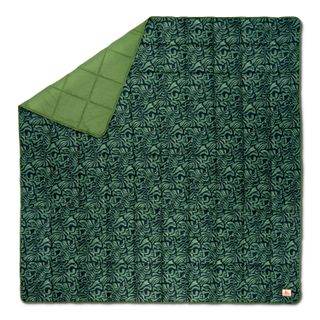
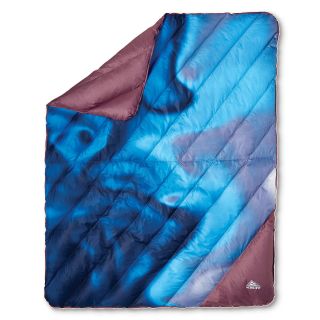
In a majlis, people sit for hours on cold evenings, and blankets get passed around, folded, sat on and dropped on the sand. Choose blankets that are easy to shake out and pack away. The Biggie Blanket is an oversized blanket with CloudLoft insulation and soft brushed fabric, and it packs into a stuff sack. The Wayback Biggie Blanket has recycled nylon ripstop on one side and organic cotton flannel on the other, with CloudLoft ECO insulation between: the ripstop side takes the rough ground, the flannel side faces you. For the coldest nights, the Galactic Down Blanket is filled with 550-fill down and compresses small.
Between weekends, bedding left on the floor of the tent collects sand and damp. A closed box keeps it clean: the Car-Go-Box has three colour-coded storage pods in a folding case, so blankets, cups and small things each have their own place and can go into the car in one trip.
Gear in this guide
- −25%
KeltyBiggie Blanket — DillfromAED 41.21AED 54.95in stock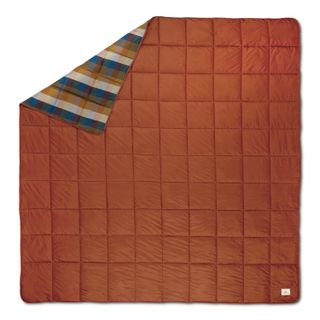 KeltyWayback Biggie BlanketfromAED 94.95in stock
- −25%
KeltyGalactic Down Blanket — GrisaillefromAED 93.71AED 124.95Out of stock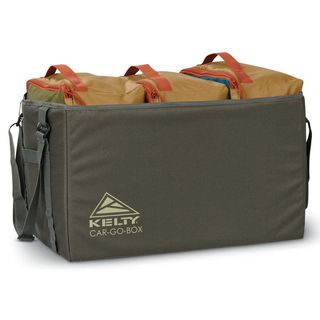 KeltyCar-Go-BoxfromAED 114.95in stock
Seating for guests
Much of the day is spent outside: by the fire, watching the children, or receiving guests in the open. Low chairs keep you at the level of the fire and are steadier on sand than tall ones. The Lowdown Couch seats three on a lower base. For older relatives, the Deluxe Lounge Chair has three recline positions and adjustable armrests, which help when sitting down and standing up. Add a side table such as the Rad-Arondack Table for coffee and dates, so cups do not go on the sand.
Folding furniture matters in a long camp: fold it when you leave for the week, and it goes into the tent or the car instead of standing in the sun until the next weekend.
Gear in this guide
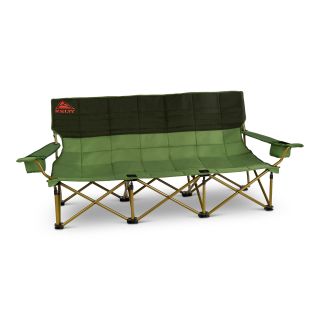 KeltyLowdown Couch — DillfromAED 199.95in stock
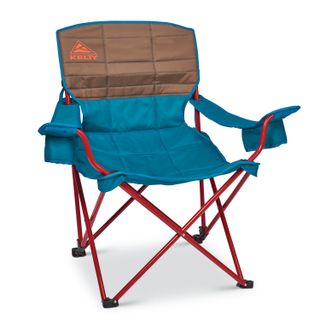 KeltyDeluxe Lounge Chair — Deep LakefromAED 99.95in stock
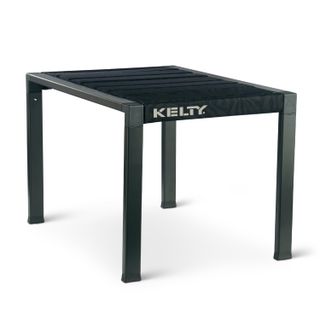 KeltyRad-Arondack Table — Black FernfromAED 99.95in stock
Read chairs and tables that survive the sand before you buy for a whole season.
Beds for those who stay the night
In a long camp, someone often stays: an older relative, guests from another emirate, the young men who keep the fire. The ground under the carpet can get cold after midnight. A cot lifts the sleeper off the ground: the Lowdown Cot is easy to set up and gives a sleeping surface above the sand, and Kelty advises pairing it with a sleeping pad for added warmth.
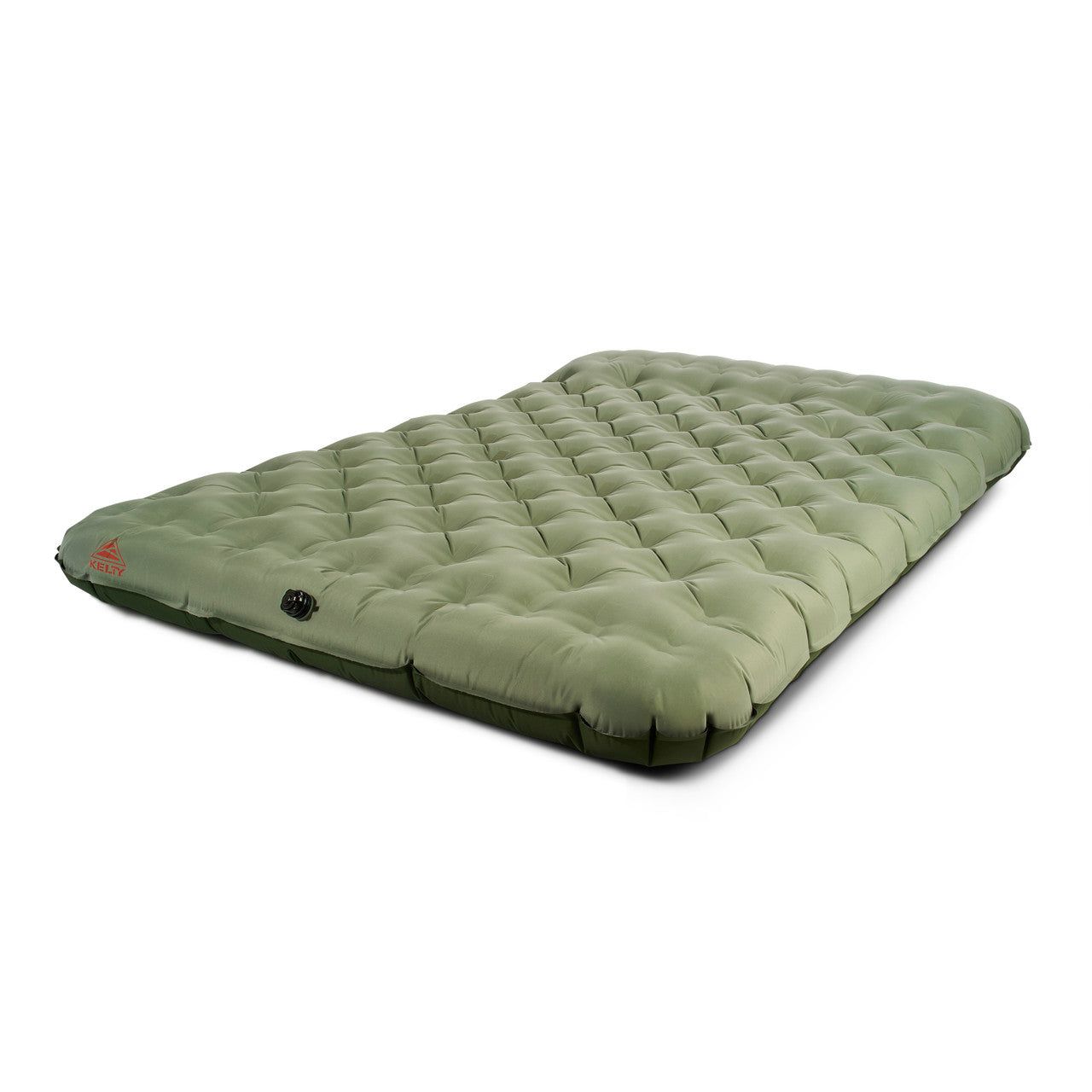
For the pad, the Waypoint SI is the biggest and thickest in the range. If guests prefer something close to a bed at home, the Kush Airbed is about 15 cm thick, made of TPU laminated fabric, and comes with a USB-rechargeable pump, so you can inflate it inside the tent.
Gear in this guide
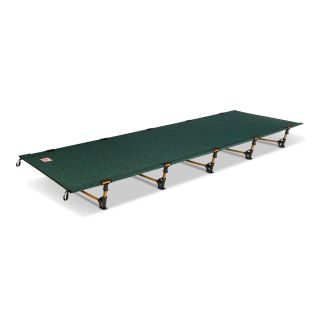 KeltyLowdown Cot FernfromAED 149.95in stock
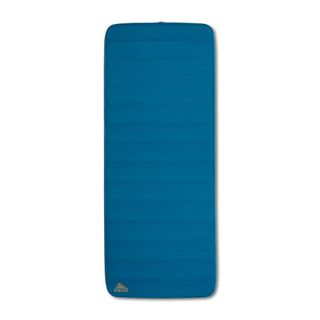 KeltyWaypoint Si Sleeping PadfromAED 189.95low stock
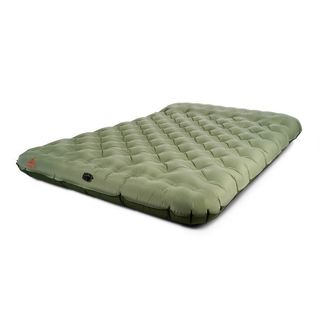 KeltyKush Airbed w/ Rechargeable PumpfromAED 139.95in stock
Keeping the camp tidy between weekends
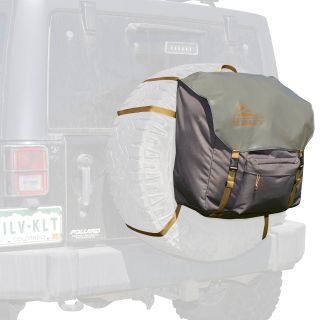
A camp that stands from November to April is exposed to sun, sand and dew every day. Rubbish is part of the routine too: the Trash Pak mounts on the outside of most cars and is built for sun, rain and wind, so the week’s waste goes home outside the car and is rinsed out there.
Gear in this guide
- −25%
KeltyTrash PakfromAED 97.46AED 129.95in stock
- Keep blankets and bedding in a closed box during the day, not on the floor.
- Fold chairs and cots when you leave for the week.
- Shake out sand before you fold anything; sand in joints and zips wears them fast.
- Air bedding in the shade, not in direct sun.
- At the end of the season, clean and dry everything before storage. See caring for gear between trips and storing gear through the summer.