
10 first-trip mistakes and how to avoid them
Ten avoidable mistakes that spoil first camping trips in the UAE, what each looks like on the night, and what to do if something goes wrong anyway.
By Outlandia Editors ·
Most first-time campers make at least one avoidable mistake. They tend to be the same few, and each is easy to prevent once you have seen it happen. Below are ten, grouped by when they bite: before you leave, as night falls, and at camp. The detail lives in our other guides; here is what each mistake looks like on the night, and the fix.
Before you leave
1. Choosing the spot from a photo
A beautiful picture online says nothing about whether camping is allowed there. In Sharjah, camping in an unauthorised area costs 2,000 AED, doubled for a repeat. The fix: check the exact spot against the emirate’s rules in Where can you camp in the UAE?, and look for signs when you arrive.
2. Opening the tent bag for the first time at camp
At home a missing pole is a nuisance; at sunset in the wind it ends the trip. The fix: pitch the tent once in the garden or a park, count stakes and poles, and pack it back yourself. A simple frame helps. The Wireless 4P has colour-coded Quick Corners: each pole clicks into its matching corner. The Late Start 4P is built for fast setup in any weather or in the dark.
Tents that are easy to pitch
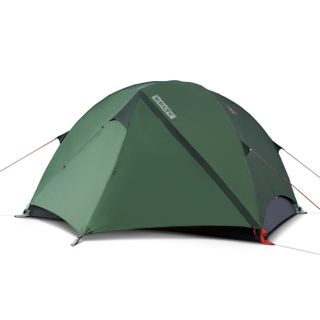 KeltyWireless 4P TentfromAED 189.95in stock
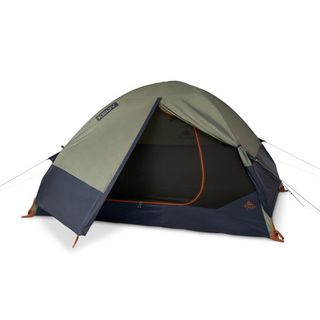 KeltyLate Start 4P TentfromAED 239.95in stock
3. Leaving after work
It feels efficient until you are hunting for flat ground by phone torch. Khaleej Times advises arriving before dark to pitch safely. The fix: leave by early afternoon. If you can only leave late, book a managed plot, such as one at Hatta: see Camping in Hatta with your own tent.
4. Checking the weather for the city, not the spot
A Dubai forecast tells you little about a mountain or the open desert. In one November week of 2025, Jebel Jais was about 9 °C at 5 am while the afternoon reached 20 °C. The fix: look up the forecast for the place itself, including wind and rain, and pack for its coldest hour. What to wear for winter camping has layers by place.
As night falls
5. A good bag on a pool lilo
The bag is warm, yet you wake at 3 am cold from below. The ground, or the air inside an inflatable, draws heat out of you all night. The fix: a proper sleeping pad for every person. The Mistral SI is self-inflating and made with first-time campers in mind. The Waypoint SI is Kelty’s biggest and thickest pad, for people who want comfort close to their bed at home.
Gear in this guide
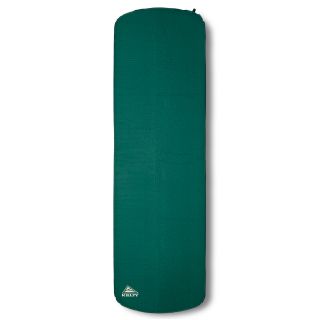 KeltyMistral Si Sleeping PadfromAED 49.95in stock
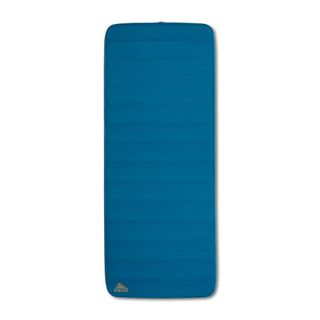 KeltyWaypoint Si Sleeping PadfromAED 189.95low stock
6. Bringing the grill into the tent to warm up
On a cold night the glowing coals look like a heater. They are not: burning charcoal gives off carbon monoxide, which you cannot see or smell. Gulf News lists this among the basic rules, with no candles or open flames inside and lanterns at least 50 cm from the tent. The fix: warmth from clothes, pad, bag and a blanket. More in Camp kitchen for families.
At camp
7. Skipping the guylines because the evening is calm
The wind often picks up after sunset, and a tent held only by its frame can fold in the night. The fix: always use the guylines, the cords that tie the tent to the ground, with stakes that suit the ground. In soft sand or on rock, the Sand Bag Stake holds when filled with about 9 kg of sand or stones. The Triptease Lightline is a 15-metre reflective cord for extra guylines, easy to see in the dark.
8. No shade for the next morning
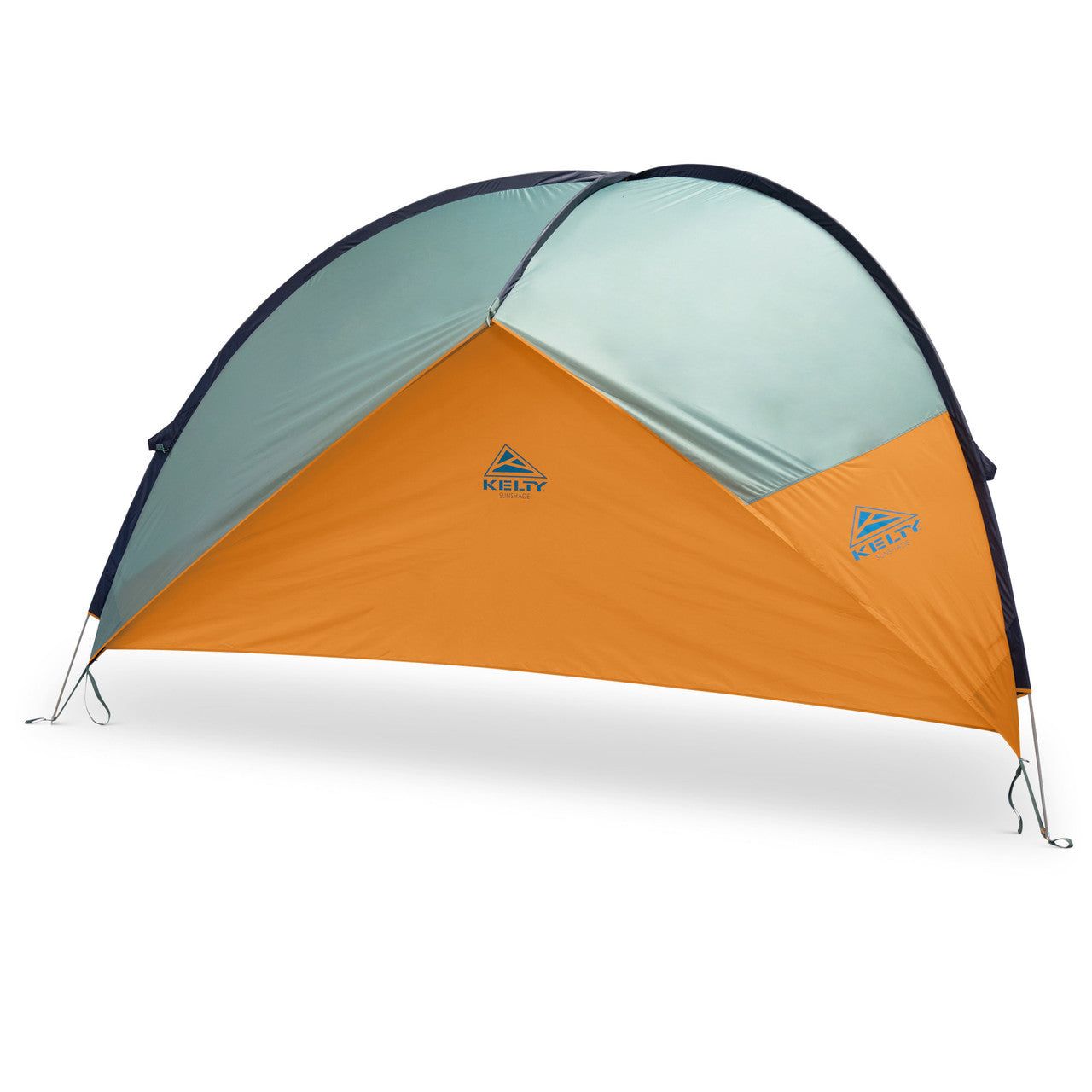
By late morning the tent is too hot to sit in, and the children have nowhere to go. The fix: bring shade. The Sunshade with Side Wall stands on a tripod built for windy days, and its side wall moves with the sun.
For wind and sun
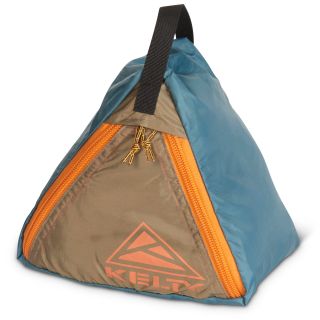 KeltySand Bag StakefromAED 19.95low stock
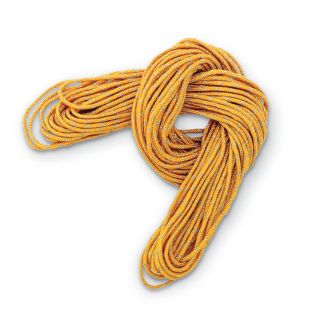 KeltyTriptease LightlinefromAED 24.95in stock
 KeltySunshade With Side Wall — MalachitefromAED 159.95in stock
9. Pitching on a flat, sandy wadi floor
It is the smoothest ground around, because water made it so. Rain in the mountains can send a flow down it within hours. Driving into a valley or flood zone during rain can cost 2,000 AED, 23 traffic points and 60 days’ impounding. The fix: pitch on higher ground, and leave early if rain is forecast.
10. Nobody at home knows where you are
Mobile signal can be weak in wadis and between dunes. The fix: send a friend your location pin and your expected return time, and keep a charged power bank in the car so the phone lasts until morning.
If something goes wrong
- You are too cold to sleep: put on every layer, a hat and dry socks, and add a blanket over the bag. If that is not enough, warm up in the car and drive home. Never sleep in a car with the engine running.
- The tent starts to collapse in the wind: take it down before it tears, and finish the night in the car.
- Rain starts or water begins to flow: move to high ground at once. Do not drive through a flowing wadi.
- An emergency: call 999 for police, 998 for an ambulance or 997 for Civil Defence (Gulf News). Share your location pin.
- The night was miserable: pack up calmly, go home, and write down what went wrong. That list is your plan for the next trip.
The checklist that prevents all ten
- Spot checked and legal; booking made if needed.
- Tent pitched once at home; all stakes and poles packed.
- Leaving early enough to pitch in daylight.
- Forecast checked for the place, including the coldest hour.
- A sleeping pad, bag and warm layer for every person.
- No grill, burner or flame inside the tent, ever.
- Guylines and the right stakes for sand or rock.
- Shade for the morning.
- Pitch away from wadis and low ground.
- Someone at home has your location and return time.