
Your first camping trip in the UAE: the complete checklist
Everything a first-time camper in the UAE needs for one or two nights out: shelter, sleep, sitting, cooking and light, and what you can skip.
By Outlandia Editors ·
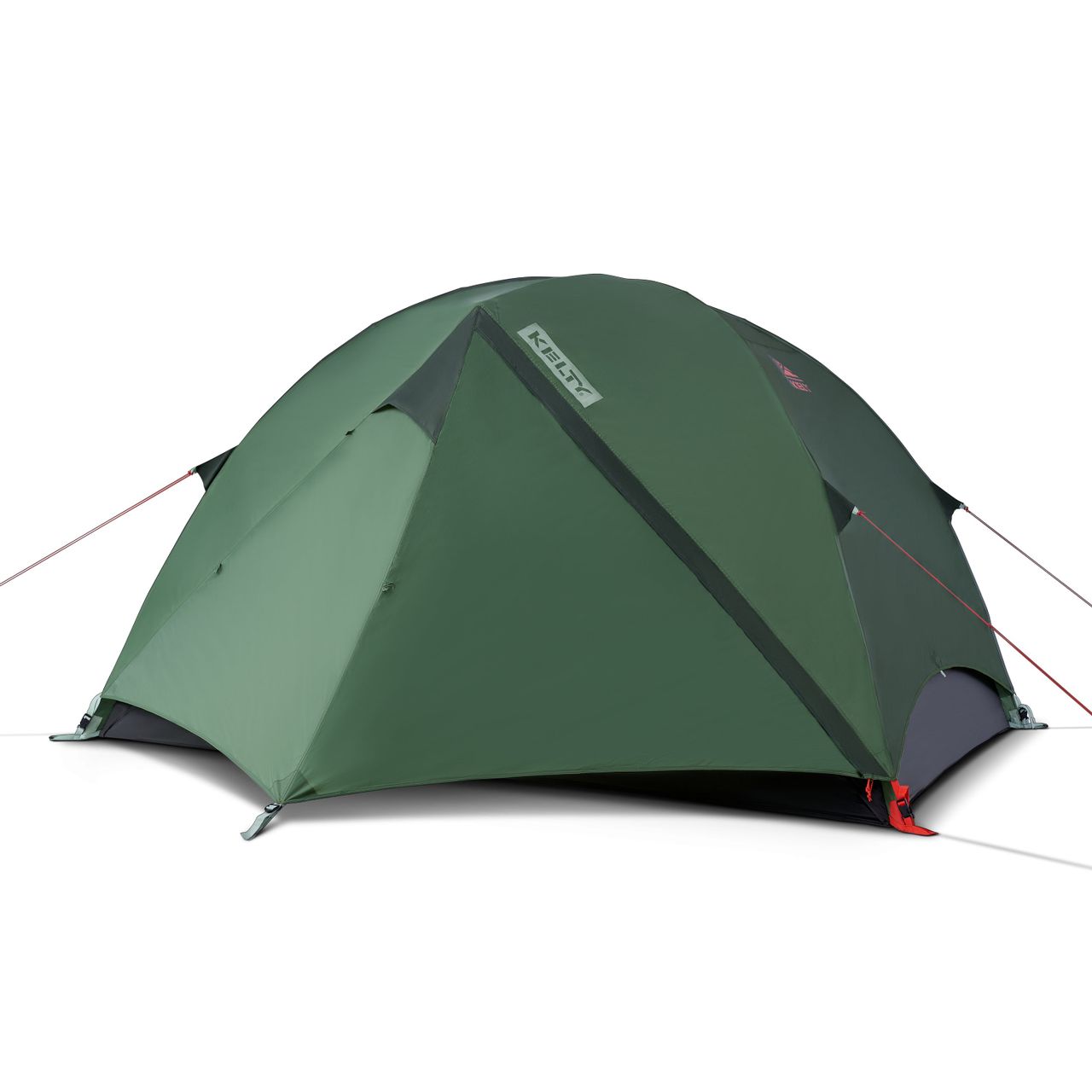
You have picked a place and a weekend. Now comes the part that stops many first trips: what to actually take. This checklist is for one or two nights with family or friends, driving to the spot, in the cooler months; Dubai’s own winter camping season runs from 1 November to 30 April. It covers five jobs: shelter, a warm night, somewhere to sit, food, and light after dark.
1. Shelter: choosing your tent
The number on a tent is its nominal capacity: how many adults fit lying side by side, with nothing else inside. Comfortable capacity is lower. A 4-person tent takes two adults and two small children, or two adults with their bags. A family of four will be more comfortable in a 6-person tent, with room for bags, shoes and a child who wakes at 5 am.
For a first tent, a simple setup matters most. The Wireless 4P and Wireless 6P use Kelty Quick Corners, colour-coded corners that the poles click into, so two people can pitch them quickly, even after dark. The Rumpus 6P has an extra-large vestibule, a covered porch in front of the door, where bags, a cool box and shoes stay out of the sleeping area. The Daydreamer 4P has a Twilight Tech rainfly that helps block sunlight, useful for children who nap in the afternoon or wake at sunrise.
Add a footprint, a groundsheet cut to the shape of the tent, such as the Wireless 4P Footprint. Sand and gravel wear a tent floor; a footprint protects it.
Easy family tents
 KeltyWireless 4P TentfromAED 189.95in stock
 KeltyWireless 6P TentfromAED 279.95in stock
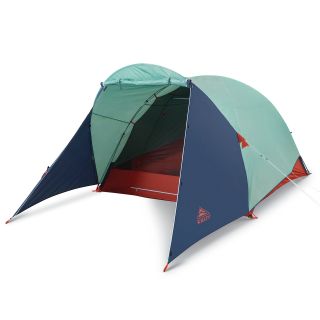 KeltyRumpus 6P TentfromAED 319.95in stock
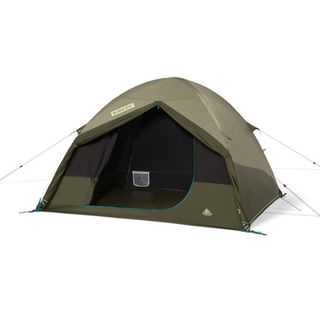 KeltyDaydreamer 4P TentfromAED 189.95in stock
2. A warm night: bag and pad
First-timers are often surprised by how cold a winter night gets after a warm day. Khaleej Times recommends sleeping bags rated for 5 to 10 °C on winter trips, and mountains are colder still: Jebel Jais fell to 1.8 °C in January 2025. Each person needs a sleeping bag and a pad underneath it.
The Mistral 40 and Cosmic Synthetic 40 are rated to about 4 °C. The 40 in the name is Kelty’s US rating label, not degrees Celsius. A rating is not a comfort guarantee: how warm you sleep depends on you, the pad under you and what you wear. For mild desert and Hatta nights they are a reasonable start; for the mountains, read our sleeping bag guide first.
Children need their own bag; in an adult bag a child has a lot of empty space to warm. Kelty designed the Space Cadet 30 for small children with safe-sleep practices in mind. It does not replace adult supervision, and the size guidance on the product page is the one to follow.
The pad matters as much as the bag, because the ground draws heat from below. The Mistral SI inflates on its own. If you would rather sleep as you do at home, the Kush Airbed is about 15 cm thick and comes with a USB-rechargeable pump.
For a warm night
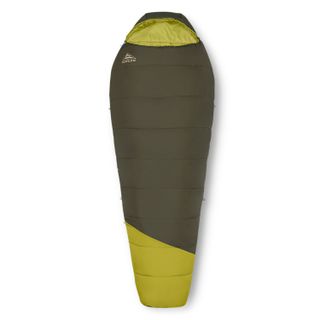
- −36%
KeltyMistral 40 Sleeping BagfromAED 44.96AED 69.95in stock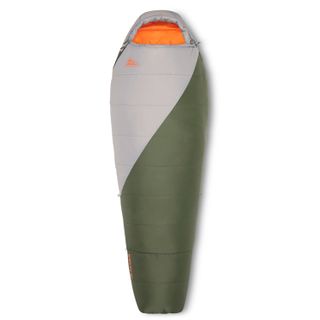
- −33%
KeltyCosmic Synthetic 40 Sleeping BagfromAED 67.46AED 99.95in stock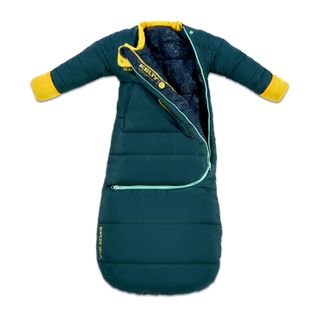 KeltySPACE CADET 30 Sleeping BagfromAED 69.95in stock
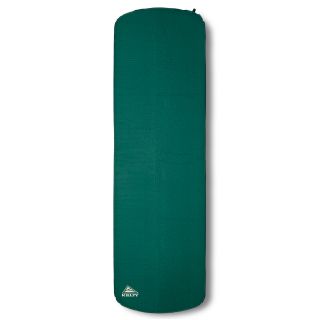 KeltyMistral Si Sleeping PadfromAED 49.95in stock
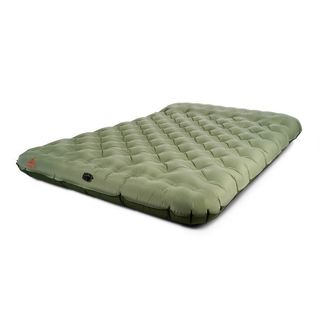 KeltyKush Airbed w/ Rechargeable PumpfromAED 139.95in stock
Clothes are the third part of a warm night. See What to wear for winter camping in the UAE for layers by place.
3. Somewhere to sit
You will spend more time in your chair than in your tent, so take one per person. The Essential Chair has adjustable armrests and a cup holder. The Low Loveseat seats two, sits low by the fire and has a steel frame. A small table like the Rad-Arondack Table keeps plates and drinks off the sand.
Gear in this guide
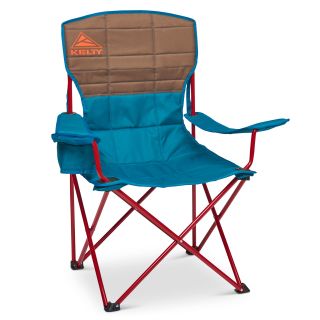 KeltyEssential Chair — Deep LakefromAED 79.95in stock
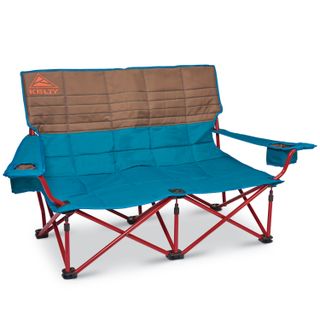 KeltyLow Loveseat — Deep LakefromAED 149.95in stock
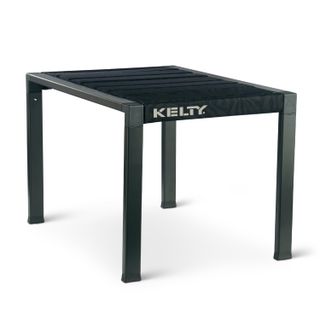 KeltyRad-Arondack Table — Black FernfromAED 99.95in stock
4. Something to eat
Keep the first menu simple: something to grill, bread, fruit, and plenty of water. Outdoor cooking is easier when you can find the tongs and the salt in the dark. The Camp Galley Deluxe is a hanging cupboard sized for a family of four, with pockets for spices and tools and sleeves for plates and chopping boards. Take a bin for rubbish too; the Litter G’tter keeps rubbish and recycling apart, and everything you bring goes home with you. For safe cooking, see Camp kitchen for families.
Gear in this guide
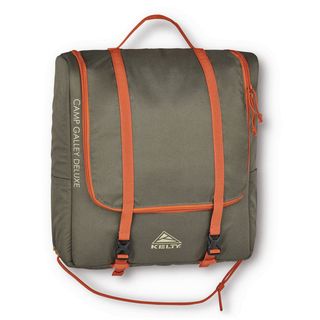 KeltyCamp Galley DeluxefromAED 79.95in stock
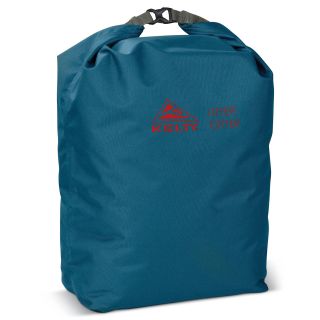 KeltyLitter G'tter — Deep TealfromAED 29.95in stock
5. Light and the small things
- A head torch for every person, and one lamp for the camp.
- A power bank. Your phone will be your map, torch and camera.
- A warm layer for each person, even if the afternoon is warm. A camp blanket is good around the fire.
- Sun protection: hat, sunscreen, sunglasses.
- A small first-aid kit and any medicine you take every day.
- A spare bag for wet or sandy clothes.
What you can skip on the first trip
A generator, a big gazebo and a second tent for the kitchen can all wait. Special outdoor clothing is optional too: layers you already own will do. Go once with the basics, note what you missed, and add it next time.
If you are weighing cheap gear against better gear, Budget or quality camping gear shows how to work out the cost per trip with your own numbers.
The night before: a final check
- Tent pitched once at home, all poles and stakes counted.
- A sleeping bag, a pad and a warm layer for every person.
- Water, food and a bin bag packed.
- Head torches charged, power bank full.
- Weather checked for the place, not just for the city.