
Jebel Jais in winter: which sleeping bag for 1–5 °C nights
Jebel Jais fell to 1.8 °C in January 2025. How to build a sleep system for 1–5 °C mountain nights in the UAE: bag rating, pad, layers and tent.
By Outlandia Editors ·
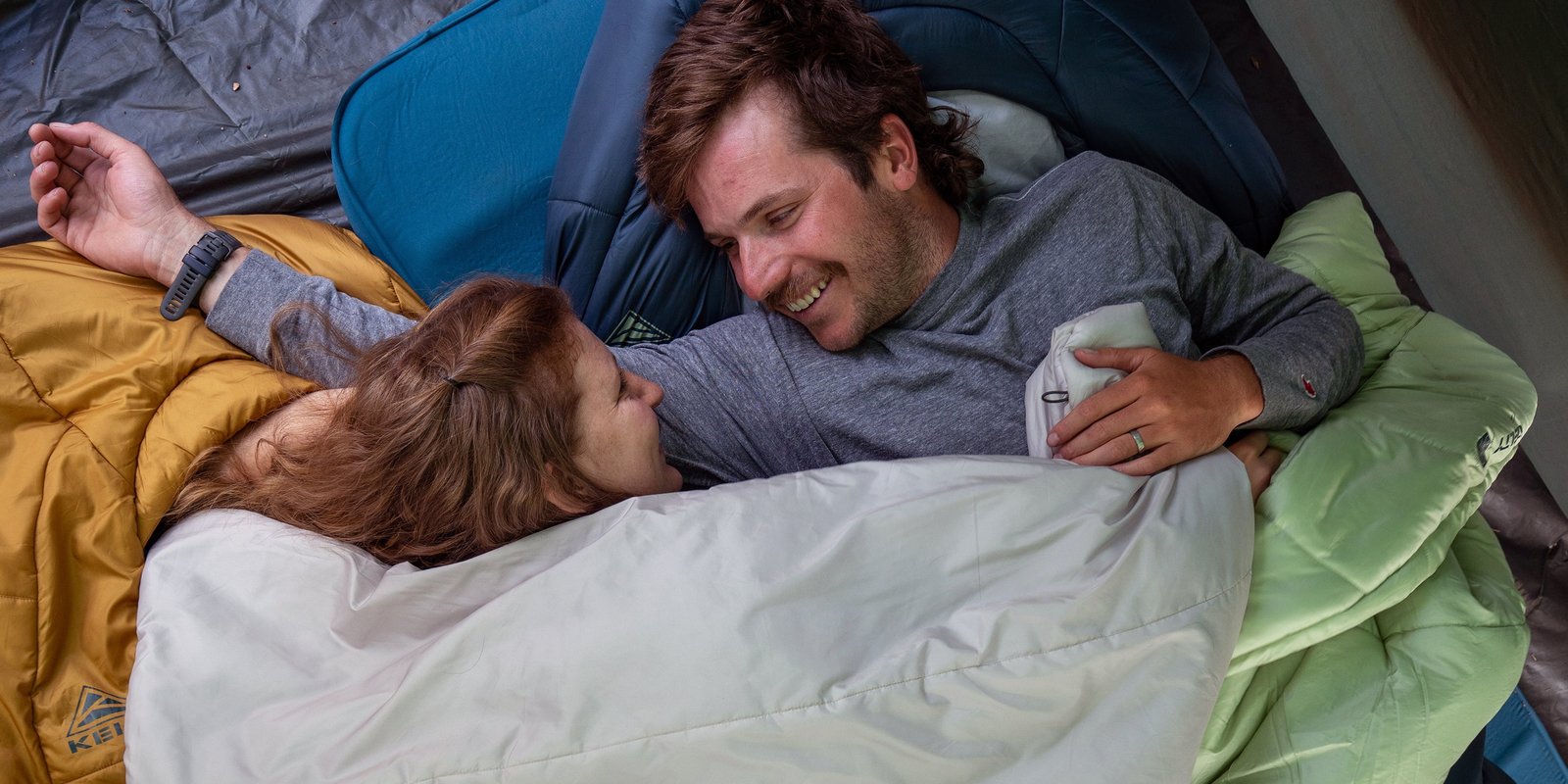
If you have slept out in the cold before, the question is not how to stay warm but how cold to plan for. Most UAE camping is mild. Jebel Jais is the exception: at 1,934 metres it is the highest point in the country, and in winter its nights can drop close to freezing. This guide is about building a sleep system for 1–5 °C, not about choosing your first sleeping bag. For the wider picture of what changes here, start with camping in the UAE when you have camped elsewhere.
How cold Jebel Jais gets
On Sunday 5 January 2025 the National Centre of Meteorology recorded 1.8 °C on Jebel Jais. That was a recorded low during a cold spell, not a typical winter night. One camper on the mountain that week said it was about 3 °C after midnight, and another visitor told The National that on an earlier trip her group had to rush back because they were not prepared for the cold. By alpine standards these are not extreme numbers. What catches people out is the contrast: the coast is warm the same afternoon, and you pack for the city you left.
Wind is a separate problem from temperature. It does not make the air colder, but it carries heat away from your body and your tent much faster, so 3 °C with a steady breeze feels and behaves colder than a still 3 °C (US National Weather Service). The upper mountain is exposed. Check the forecast for the mountain itself, not for Ras Al Khaimah city, look at both the minimum and the wind, and leave yourself a margin.
Reading the rating
Kelty names its bags by their US temperature rating, so the number in the name is a US label, not degrees Celsius. The Cosmic Down 20 is rated to about −7 °C; a bag with 30 in its name is rated to about −1 °C, a 40 to about 4 °C. The name is a rating, not a promise that you will sleep comfortably at that temperature. How warm you actually sleep depends on the whole system: the pad under you, what you wear, the tent, the wind, and you. That is why we do not turn the rating into a rule; we use it to compare bags and to decide how much margin we want.
- A rating close to the expected minimum leaves almost no margin for wind, a thin pad or a forecast that turns out wrong.
- A rating well below the expected minimum gives you room for all three, at the cost of a bigger, warmer bag you may open up on milder nights.
- If you are unsure how you sleep, borrow from the margin side: a bag can be vented, a cold night cannot be fixed at 2 am.
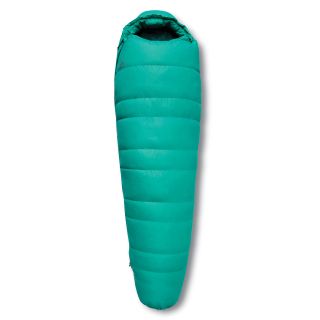
If you sleep cold, look at the women’s bags, also rated to about −7 °C. The Women’s Cosmic Down 20 keeps the trapezoidal baffle construction of the standard Cosmic Down. The Women’s Cosmic Ultra 20 is filled with 800-fill DriDown, is designed and tested to women’s-specific ISO standards, and has extra insulation in the upper body and the footbox.
Bags rated to about −7 °C
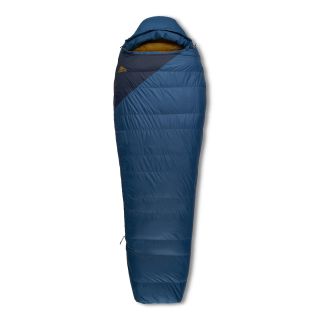 KeltyCosmic Down 20 Sleeping BagfromAED 179.95in stock
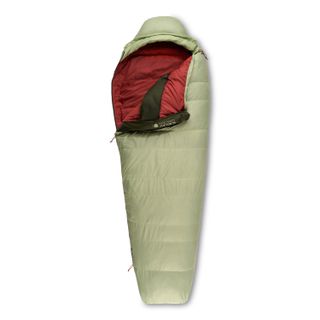 KeltyWomen's Cosmic Down 20 Sleeping BagfromAED 239.95low stock
- −25%
KeltyWomen's Cosmic Ultra 20 Sleeping BagfromAED 194.96AED 259.95Out of stock
Down or synthetic, when the car is close
Most people who camp on Jebel Jais sleep a few metres from the car, so weight is rarely the deciding factor. Down still packs smaller and lighter, which matters if you walk in to camp. The Supernova 20, rated to about −7 °C like every bag in this section, uses 550-fill down in a roomy shape that suits side sleepers, opens flat as a blanket by the fire and zips together with a second Supernova into a double bag.
Synthetic fill costs less and copes better with damp, and damp is a real issue on a cold, still night when condensation builds inside a closed tent. The Mistral 20 is filled with recycled CloudLoft ECO and has dual-slide locking zips, so you can vent the bottom without opening the top. The Cosmic Synthetic 20 uses CirroLoft ECO insulation, with a full draft collar and an upper draft collar to hold heat around the shoulders.
Down and synthetic
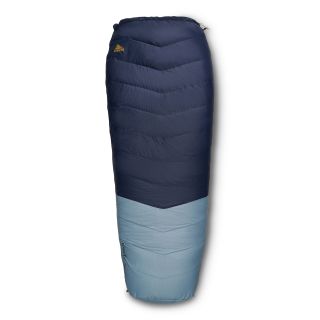 KeltySupernova 20 Sleeping BagfromAED 229.95in stock
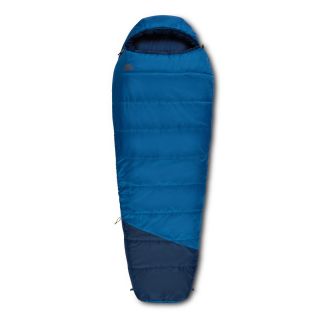 KeltyMistral 20 Sleeping BagfromAED 79.95low stock
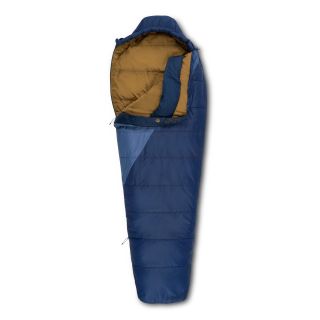 KeltyCosmic Synthetic 20 Sleeping BagfromAED 109.95in stock
Your sleeping pad matters as much as your sleeping bag
The fill underneath you is crushed by your body weight and does very little, so the pad does that job. On mountain rock this is the usual weak point: a good bag on a thin pad still means a cold night. The Mistral SI self-inflates and weighs under about 1.4 kg in its stuff sack, which suits a walk-in camp. Next to the car, the Waypoint SI is Kelty’s biggest, thickest and softest pad, and its stuff sack doubles as an inflation bag. If you use a rectangular Kelty bag, the Galactic SI is made to fit it.
Gear in this guide
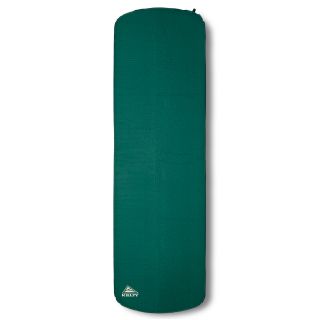 KeltyMistral Si Sleeping PadfromAED 49.95in stock
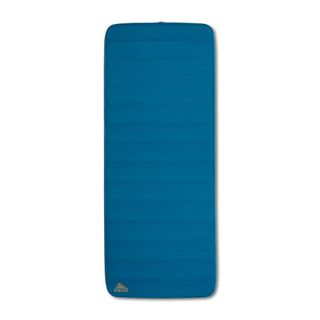 KeltyWaypoint Si Sleeping PadfromAED 189.95low stock
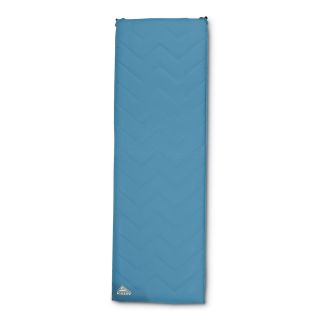 KeltyGalactic SI Sleeping PadfromAED 99.95in stock
Layers, blanket and tent
Think of the bag, the pad, what you wear and the tent as one system, and check each part. Sleep in a dry base layer, not the shirt you hiked in. Wear a warm hat and dry socks. A down jacket laid over the footbox adds warmth where many bags run cold.
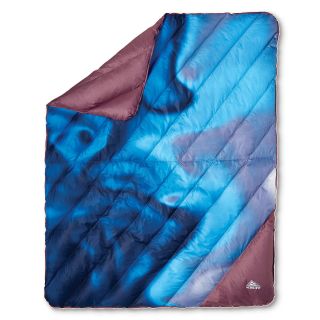
A down blanket earns its place twice: around your shoulders in the evening, when the cold arrives long before bedtime, and over the bag in the coldest hours before dawn. The Galactic Down Blanket is light and compressible, with 550-fill down.
In the tent, keep the fly closed on the windward side but leave a vent open. A sealed tent on a still, cold night collects condensation, and wet fabric touching the bag cools you down.
Gear in this guide
- −25%
KeltyGalactic Down Blanket — GrisaillefromAED 93.71AED 124.95Out of stock
Before a mountain night
- Check that the area is open. After storms in December 2025, all operations on Jebel Jais closed for safety inspections, with a phased reopening area by area.
- A bag whose rating leaves a clear margin below the forecast minimum for the mountain, with the wind taken into account.
- An insulated pad, plus a foam mat if you have one.
- Dry sleeping layers, hat, socks and a warm jacket for the evening.
- A plan B: the car is a sheltered refuge if the wind gets too strong to sleep.
- Hiking on the same trip? Read what to carry in the Hajar Mountains.