
Sleep system specs: R-value, temperature ratings and layering
How R-value, sleeping bag ratings and fill work together, why the pad matters as much as the bag, and how to layer for cold UAE nights.
By Outlandia Editors ·
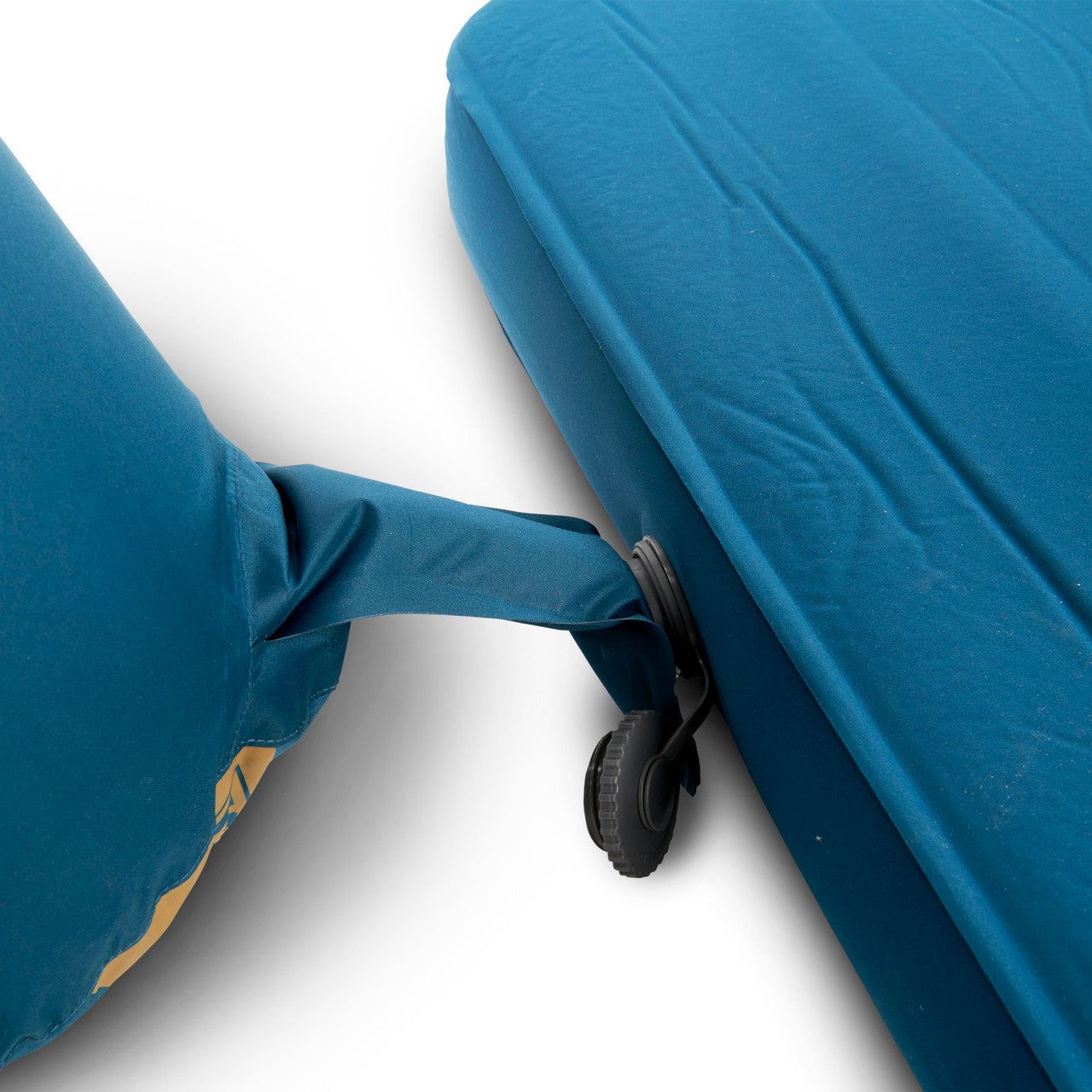
A sleep system is three parts: what is under you, what is around you and what you wear. People who are cold at night often blame the bag when much of the heat is going into the ground. This guide explains the numbers on spec sheets and how to combine them. For choosing a bag by season and place, see the sleeping bag guide for UAE winter.
R-value: insulation from the ground
R-value measures how well a sleeping pad resists heat flow from your body into the ground. Higher means more insulation. ASTM F3340-22 is the laboratory test method for camping mattresses, run on a guarded hot plate. Values tested to it are meant to be compared within and across brands, as NEMO, a pad maker involved in writing the standard, explains. Whether an older figure can be compared depends on how it was measured, so check that the R-value you are comparing is stated as tested to F3340.
- R-values add up. NEMO states that you can use two pads and add their R-values together, so a compatible second pad raises the total insulation.
- Your bag gives little insulation underneath you, because your weight compresses the fill. The pad does that job.
- The ground takes heat by conduction through whatever is touching it. Sand and rock that have cooled overnight draw heat from you through every point of contact, which is why a thin pad feels cold even when the air does not.
Kelty’s catalog descriptions for its pads do not list R-values, so check the product page or ask us for the tested figure before you compare. What the descriptions do say: the Waypoint SI is Kelty’s biggest, thickest and softest pad, made for car camping, and its stuff sack doubles as an inflation tool. The Mistral SI inflates easily and weighs under 1.4 kg in its stuff sack. The Kush Airbed is about 15 cm thick, made of TPU laminated fabrics, with a USB-rechargeable pump. Check the insulation of any airbed before a winter night; an uninsulated air chamber does little against cold ground, so add an insulating pad if needed.
Getting off the ground is the other option. The Lowdown Cot lifts you above the elements; Kelty recommends pairing it with a sleeping pad for warmth.
Under you
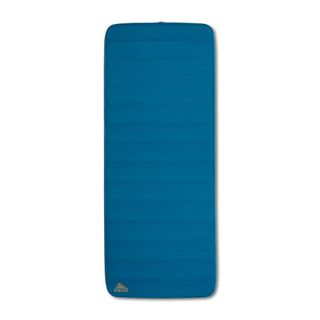 KeltyWaypoint Si Sleeping PadfromAED 189.95low stock
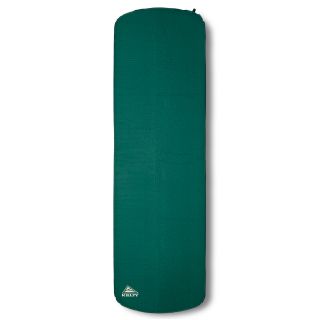 KeltyMistral Si Sleeping PadfromAED 49.95in stock
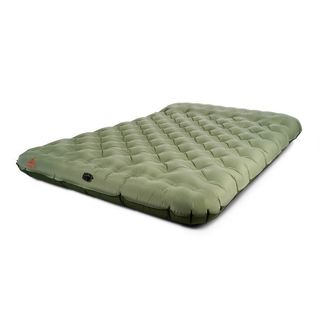 KeltyKush Airbed w/ Rechargeable PumpfromAED 139.95in stock
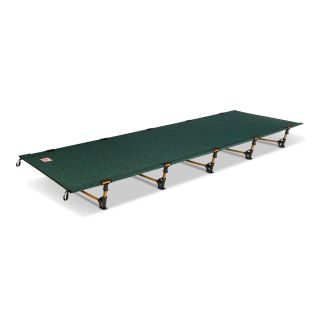 KeltyLowdown Cot FernfromAED 149.95in stock
Temperature ratings
Some bags are tested to the ISO 23537 standard and list more than one figure, typically a comfort figure and a lower limit. Where a bag has them, plan around the comfort figure. The Women’s Cosmic Ultra 20, for example, is tested to women’s ISO standards, and has 800 fill DriDown and extra insulation in the upper body and footbox.
Kelty bag names carry a number: 20, 40, 0. That number is the US label in the product name. It is not degrees Celsius, and on its own it is not an ISO comfort or limit rating. Kelty lists the Cosmic Down 20 at about −7 °C; for any other bag, read the temperature figures on its product page and check whether they are ISO-tested before comparing.
Warmth also depends on the fill: how much there is, how the bag is built and what condition it is in, not only whether it is down or synthetic. The Cosmic Down 20 uses trapezoidal baffles to hold the fill in place, with recycled fabrics and a PFAS-free DWR treatment. The Cosmic Synthetic 20 uses CirroLoft ECO synthetic insulation under a nylon shell; synthetic fill is the usual choice where the bag will get damp, such as dewy coast nights. The Mistral 20 uses CloudLoft ECO insulation with offset quilting and is the budget option. A compressed, dirty or old bag loses loft, and with it warmth.
Bags compared
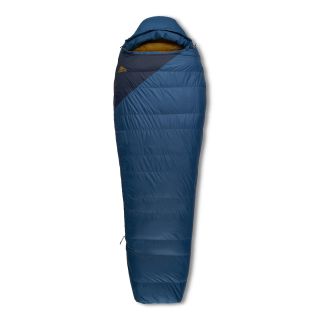 KeltyCosmic Down 20 Sleeping BagfromAED 179.95in stock
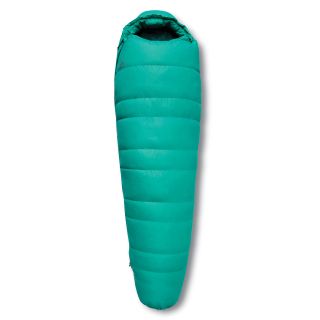
- −25%
KeltyWomen's Cosmic Ultra 20 Sleeping BagfromAED 194.96AED 259.95Out of stock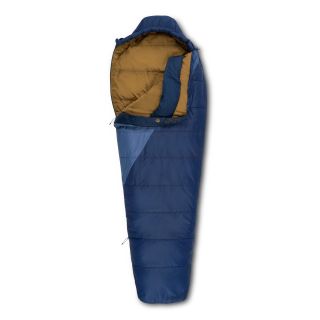 KeltyCosmic Synthetic 20 Sleeping BagfromAED 109.95in stock
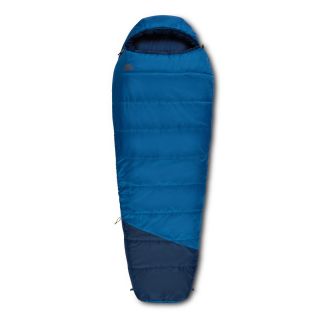 KeltyMistral 20 Sleeping BagfromAED 79.95low stock
How cold it gets here
Mountains are where UAE nights get properly cold. Jebel Jais fell to 1.8 °C in January 2025, as reported by The National. Desert nights are milder but can still be cold enough in mid-winter for a light bag on a thin pad to mean a sleepless night. Plan for the coldest hour, which is usually just before sunrise.
Layering: the flexible part
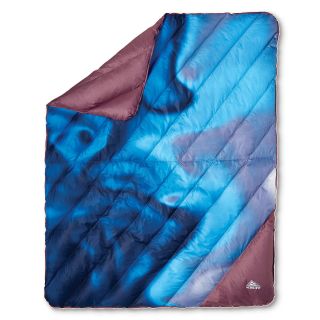
A layered system covers more nights than one warm bag. A blanket over the bag adds warmth on the coldest nights and comes off when it is mild, but it does not replace insulation underneath you. The Galactic Down Blanket is light, compressible and filled with 550-fill down. The Bestie Blanket is designed to go over or under a sleeping bag as an extra layer.
Gear in this guide
- −25%
KeltyGalactic Down Blanket — GrisaillefromAED 93.71AED 124.95Out of stock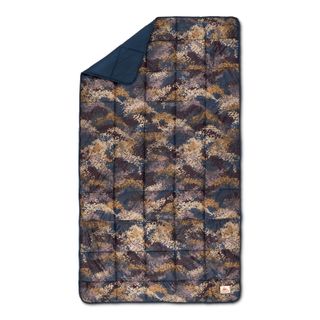 KeltyBestie Blanket — Midnight NavyfromAED 34.95low stock
Spec checklist
- Pad: R-value tested to ASTM F3340, matched to the coldest ground you expect; a second compatible pad adds its R-value to the first.
- Bag: if it has ISO figures, the comfort figure at or below the coldest night you expect. The number in the name is a label, not a rating to plan on.
- Fill: amount, construction and condition matter as much as down versus synthetic.
- Shape: mummy for warmth, rectangular or roomy for comfort.
- Layers: a blanket or liner over the bag for the coldest nights, a dry base layer and a hat for sleeping.
- Test: one night near the car before a trip where you cannot bail out.