
Staying warm on cold desert nights: pad, bag and blanket together
Why you get cold at night in the desert even in a good bag, and how a pad, a sleeping bag and a blanket work together as one system against the cold ground.
By Outlandia Editors ·
A desert day in January can be warm, and the night can still be cold enough to keep you awake. In the dunes near Tal Moreeb, campers reported 9 °C at sunrise in December 2024; on Jebel Jais in early January 2025 the temperature fell to 1.8 °C, and one visitor told The National her group had cut an earlier trip short because they were not ready for the cold. If you were cold last season, the answer is not always a warmer bag. Warmth at night comes from three layers working together: what is under you, what is around you, and what is over you.
Why you get cold in a good bag
A sleeping bag keeps you warm by trapping air in its filling. Under your body, your weight flattens that filling, so it insulates much less there. What protects you from below is the pad. Lying directly on cool ground, you lose heat into it by contact all night, and the thinner the layer between you and the ground, the faster that goes. So a person in a warm bag on a thin mat can be warm on top and cold underneath, and wake up at 3 a.m. without knowing why.
Layer one: under you
Start with the ground. Pads are rated by R-value, and Kelty explains that the higher the R-value, the better the pad insulates you from the cold ground. Check the R-value Kelty lists for the model before you buy. A self-inflating pad has foam inside that traps air and keeps your body off the cold sand. The Mistral SI inflates easily and weighs under 1.4 kg in its stuff sack. The Galactic SI is made to fit Kelty’s rectangular bags, such as the Galactic and the Catena. If you camp next to the car, the Waypoint SI is the biggest and thickest pad in the range.
If you sleep on a cot, do not skip the pad. A cot keeps you off the sand, but cold air moves underneath it. Kelty advises pairing its Lowdown Cot with a sleeping pad for added warmth.
Gear in this guide
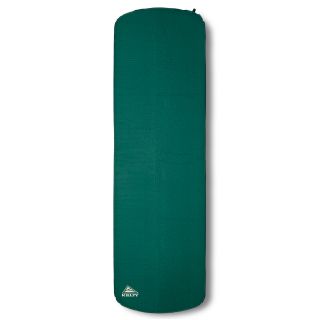 KeltyMistral Si Sleeping PadfromAED 49.95in stock
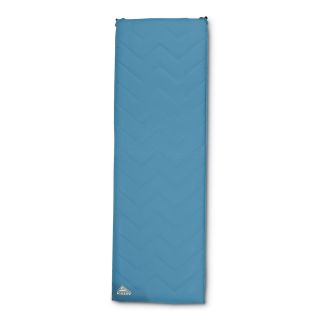 KeltyGalactic SI Sleeping PadfromAED 99.95in stock
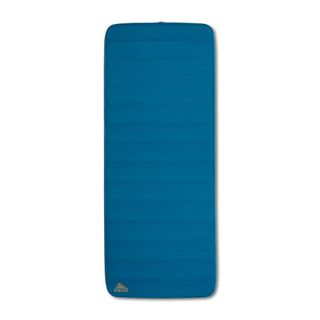 KeltyWaypoint Si Sleeping PadfromAED 189.95low stock
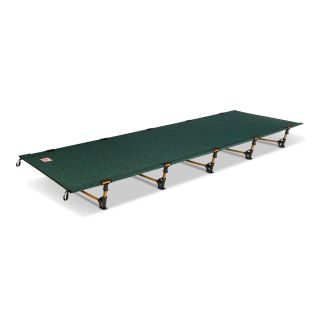 KeltyLowdown Cot FernfromAED 149.95in stock
Layer two: around you
The bag is the main layer, and it should match the coldest night you plan for. Read how to read comfort and limit ratings before you choose: the number in a Kelty name is the US label of the model, not degrees Celsius and not a comfort figure.
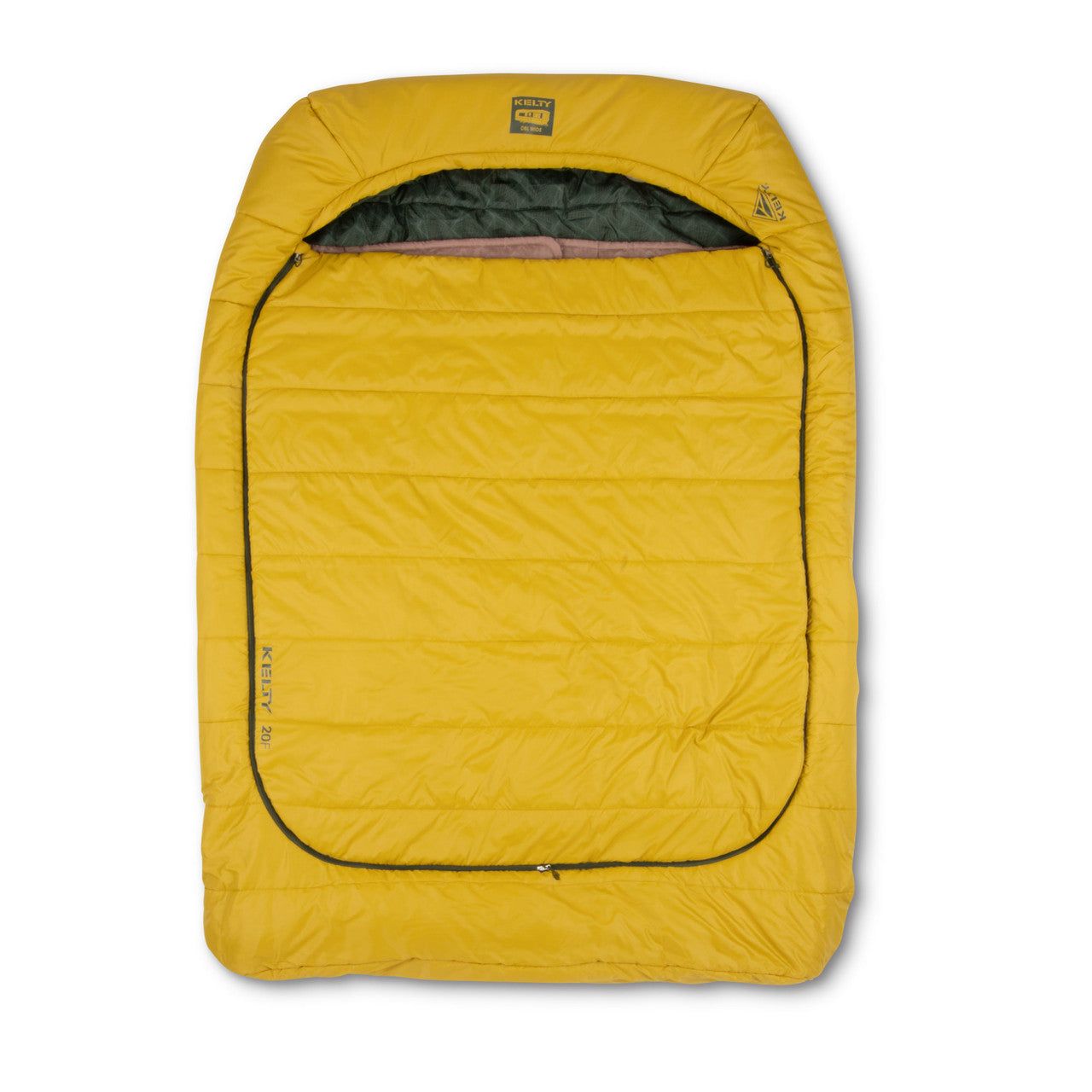
Shape matters too. Many people sleep badly in a narrow mummy bag because they cannot turn. The Wayback 20 is oversized with an insulated built-in blanket and a cotton flannel liner, so you can sleep on your side or your front and still stay covered. For couples, the Tru.Comfort Doublewide 20 is a double bag. If you prefer synthetic fill, the Cosmic Synthetic 20 is filled with CirroLoft ECO. All three are labelled for about −7 °C.
Gear in this guide
 KeltyWayback 20 Sleeping Bag — Burnt OlivefromAED 179.95low stock
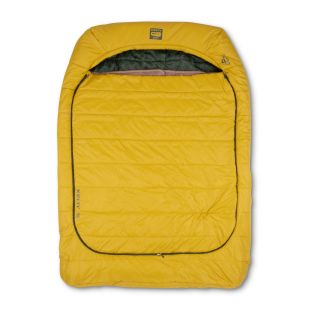 KeltyTru.Comfort Doublewide 20 Sleeping Bag — Olive OilfromAED 219.95Out of stock
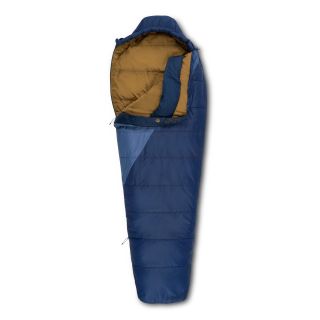 KeltyCosmic Synthetic 20 Sleeping BagfromAED 109.95in stock
Layer three: over you
A blanket is the flexible layer. In the evening it keeps you warm by the fire; at night it adds warmth in the coldest hours before dawn. It works best over the bag or wrapped around it. Under your body, a blanket is squashed flat like the bag’s own filling and adds little. The Bestie Blanket is soft on both sides and made to be used as an extra layer over or under your sleeping bag. The Wayback Biggie Blanket has a ripstop side and a flannel side. For the coldest nights, the Galactic Down Blanket is filled with 550-fill down and compresses small in the car.
Gear in this guide
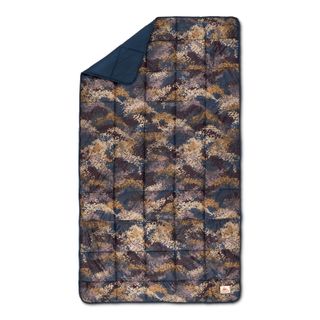 KeltyBestie Blanket — Midnight NavyfromAED 34.95low stock
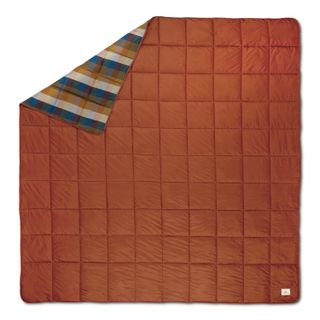 KeltyWayback Biggie BlanketfromAED 94.95in stock
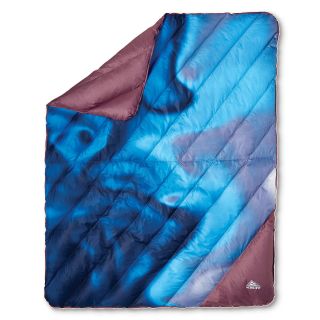
- −25%
KeltyGalactic Down Blanket — GrisaillefromAED 93.71AED 124.95Out of stock
Where are you cold?
- Cold from below, on your back, hips or side: the problem is the pad. Use a thicker pad or one with a higher R-value, or add a second pad.
- Cold from above or on the shoulders: spread a blanket over the bag and close the hood or collar.
- Cold all over: the bag is too light for the night, or you went to bed cold or in damp clothes.
The routine for a cold night
- Pitch the tent out of the wind.
- Lay the pad first and check it is fully inflated.
- Change into dry clothes before bed: base layer, socks, a warm hat.
- Eat a warm meal and drink something warm before sleep.
- For a warm bottle, use one that seals tightly, fill it with warm, not boiling, water, wrap it in a sock or cloth and keep it off bare skin.
- Close the tent but leave a vent open, so your breath does not make the inside damp.
- If you wake up cold, decide where the cold comes from and add the layer that fixes it.