
UAE camping and hiking rules your guidebook won’t tell you
What the authorities require, what individual sites and operators ask, and what we recommend. Rules checked on 6 November 2026, with sources.
By Outlandia Editors ·
There is no single national rule for where you can camp in the UAE. Each emirate sets its own, popular places close or switch to bookings, and some rules belong to one site or one operator rather than to the law. This guide keeps three things apart: what the authorities require, what a specific site or operator asks, and what we recommend. Rules checked on 6 November 2026; each one links to its source, so check it again before your trip.
What the authorities require
- Waste, everywhere: federal law prohibits dumping, burning or burying waste outside designated areas, with fines for individuals of up to 30,000 AED (Gulf News).
- Sharjah and Fujairah: pitching a tent in an unauthorised area or leaving litter behind can be fined up to 2,000 AED (same source).
- Sharjah: police fine camping in unauthorised areas 2,000 AED, doubled for a repeat, and the fine must be cleared before you renew your vehicle registration. Patrols cover the routes to Al Badayer, Al Faya and Mleiha (Khaleej Times).
- Ras Al Khaimah: camping on public beaches has been banned since May 2022, and the municipality says no permit allows it (Gulf News).
- Dubai: according to Dubai Municipality, a short weekend trip needs no prior permission to pitch a tent in the desert (Gulf News).
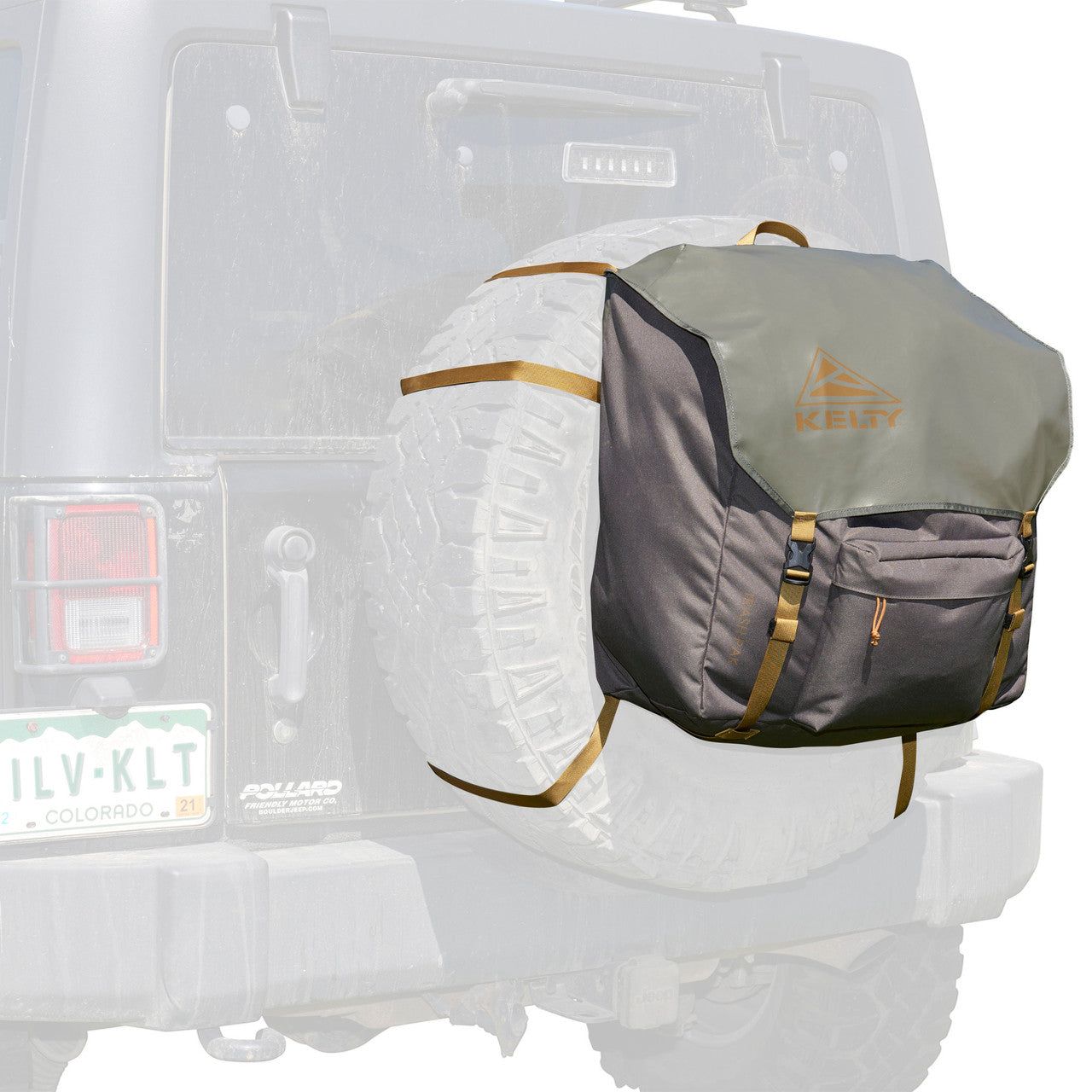
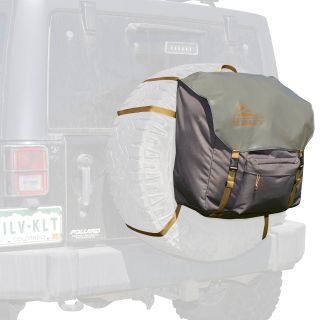
The waste rule is the one campers break without noticing: burying food scraps or burning rubbish in the fire is exactly what the law prohibits. Pack it all out. The Trash Pak mounts to most cars and keeps rubbish and its smell outside the vehicle, and the Litter G’tter is a spill-resistant bag for trash and recycling around camp.
Pack it out
- −25%
KeltyTrash PakfromAED 97.46AED 129.95in stock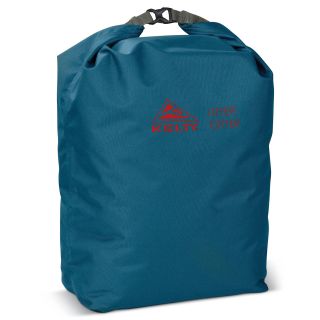 KeltyLitter G'tter — Deep TealfromAED 29.95in stock
Rain and wadis: traffic rules
The best-known wadi fines are traffic violations, aimed at drivers and crowds. The Ministry of Interior fines entering a valley while water is flowing 2,000 AED, 23 black points and 60 days’ impoundment of the vehicle, and gathering near valleys, dams and flood channels during heavy rain 1,000 AED and 6 black points (Gulf News). They are not a fine for walking in a dry wadi. The safety point is broader than the fine: when rain is forecast for the mountains, stay out of wadis on foot too, and follow the National Centre of Meteorology’s warnings.
Rules of a specific site
Dubai’s seasonal camps in Al Ruwayyah run from 1 November 2026 to 30 April 2027: 600 plots, booked for three to six months through wintercamp.dm.gov.ae or the Dubai Now app (Emarat Al Youm). The announcements address UAE nationals, and we could not find whether residents can book the seasonal plots; caravan plots and daily-rental camps have their own conditions (Gulf News). Check eligibility on the portal.
Al Qudra Lake is unclear, so treat it with care. In 2017 Dubai Municipality banned camping, barbecues and bonfires in the lake area, with a 500 AED fine (Khaleej Times). Recent guides still list Al Qudra Lakes as a popular camping area (Gulf News). We found no official statement either way, so check the signs on site, keep away from the lake shore, and do not light a fire there unless you know it is allowed.
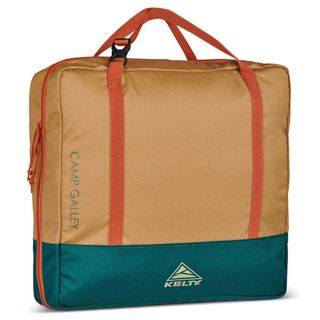
Hatta has a managed campsite where you bring your own tent: 18 pitches of 11 × 9 metres for up to five people each, one car per pitch, booked through Hatta Resorts. Guests bring their own cooking equipment and lighting (Visit Hatta). A pitch that size has room for a family tent such as the Wireless 6P, which sets up quickly with Quick Corners, and a Camp Galley keeps the cooking kit organised.
For a Hatta pitch
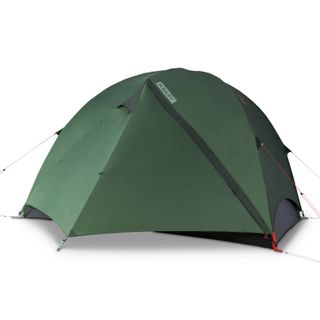 KeltyWireless 6P TentfromAED 279.95in stock
 KeltyCamp GalleyfromAED 69.95in stock
Hiking: trail and operator rules
- Some mountain trails in Fujairah and Ras Al Khaimah ask you to register with a code at the trailhead and record your departure time. At the Fujairah Adventure Centre, groups of 10 or more need a qualified leader (The National).
- A local trekking operator told the same paper that you cannot hike alone. That is the operator’s rule for its hikes, not a law.
- On Jebel Jais the trails are open to the public and free to walk on your own; guides are optional. Groups larger than 10 should register in advance with the tourism authority, and hikers are asked to stay on marked trails (Visit Jebel Jais).
For the kit side of a mountain day, see what to carry in the Hajar Mountains.
What we recommend
These are not legal requirements, just habits that keep a trip out of trouble. Fire rules differ between sites; where fires are allowed, published guidance is to keep lights and lanterns at least 50 cm from tents, never use a barbecue or coal burner inside a tent, and keep firewood away from tents (Gulf News).
- Check the rules for the exact spot with the emirate’s municipality or police, not a forum post.
- Book managed sites through the official channels only.
- Carry all waste out; do not bury or burn it.
- Stay out of wadis when rain is forecast anywhere in the mountains.
- Register at the trailhead where it is required, and on remote routes do not hike alone.