
How much water to carry on desert and wadi trips
Guidelines, not rules: water on the trail, in camp, for cooking and washing, a reserve in the car and a turnaround point for UAE desert and wadi trips.
By Outlandia Editors ·
Experienced hikers usually plan water around refills: a stream, a hut, a village tap. In the UAE desert and in most wadis there are none. Every litre comes from the car. Water is the heaviest thing you carry and the one you cannot improvise. Here is how we plan it, and where the numbers come from.
Guidelines, not rules
The guidance given to hikers in the UAE is about a litre for every hour of hiking, with more water left in the car (The National). On Jebel Jais, the trail operator asks hikers to carry at least 3 litres per person (Visit Jebel Jais). A minimum is not a guarantee: on a long or warm day 3 litres may be far from enough.
Treat both numbers as a starting point for what to carry. How much you get through depends on the weather, how hard and how long the route is, and the pace of your group. Write down what you actually used on each trip: after two or three, your own figures are a better guide than any general one.
Carrying it
Several litres change how a pack carries. Put the heavy water close to your back and high, and keep one bottle where you can reach it without stopping: if drinking means taking the pack off, people drink less. The Asher 24 has two mesh side pockets for bottles, which with a third bottle inside covers a half-day walk. For long days and overnight trips, the Asher 55 has mesh side pockets that keep a bottle close at hand, with room inside for the rest of the water and a night’s gear.
Packs for a heavy water load
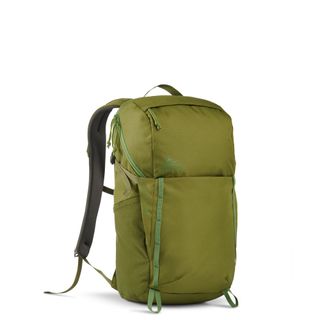 KeltyAsher 24 — Winter MossfromAED 89.95in stock
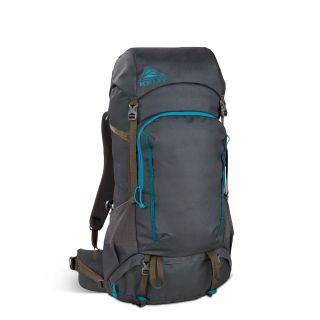 KeltyAsher 55 — BelugafromAED 169.95low stock
Four kinds of water, planned separately
Most plans fail because one number is meant to cover everything. We split it into four:
- Drinking on the trail: by the hour, using the guidance above and adjusted for the day.
- Drinking in camp: the evening, the night and the morning. Our planning figure for a winter desert camp is about 4 litres per person per day for drinking and simple cooking; it is an estimate, not a rule.
- Cooking beyond that: depends on the menu. Dehydrated meals, pasta and hot drinks use more than people expect.
- Washing hands and dishes: our estimate is 1–2 litres per person per day, depending on how you cook.
On top of that, keep a reserve in the car that you do not touch until you leave. Keep it out of the sun: water in a closed car gets hot enough to be unpleasant, and people then drink less. Large containers in the shade, or wrapped in a blanket, are easier than a crate of small bottles and leave less rubbish.
Wadi pools are not a water source
Many wadis hold pools for weeks after rain, and from a distance they look like a refill. Do not count on them. They shrink or disappear between visits, you cannot see what lies upstream, and in popular wadis people swim in them. If you carry a filter from home, treat it as an emergency backup, not as a plan.
Where to turn around
On an out-and-back route, set your turnaround point by the water you need to get back, plus a reserve, not by the map or by half your supply. The way back is often harder than the way in: a climb out of a wadi, in the afternoon, when it is warmer and you are tired. On a loop, check at the halfway point and take the shorter way out if you are using water faster than planned.
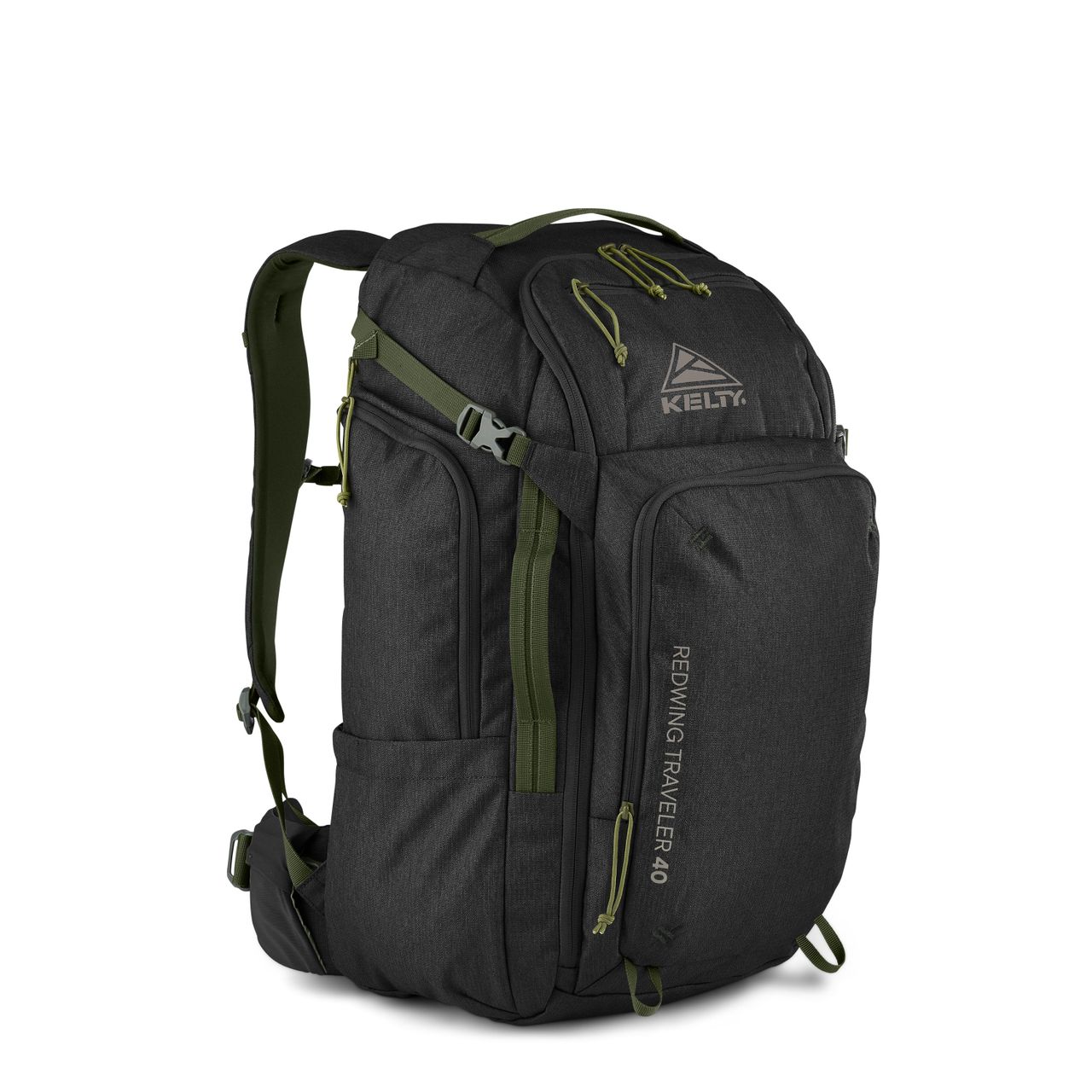
For a short overnight in mild weather, a lighter pack can work: the Redwing Traveler 40 is an internal-frame pack made for shorter or warmer-weather trips and big enough for one night. Its weight budget is mostly water, so count litres first and gear second.
Gear in this guide
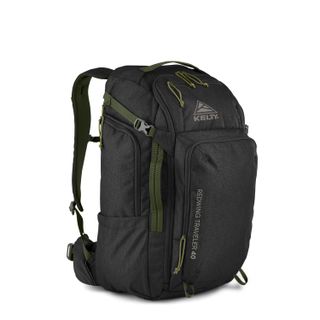 KeltyRedwing Traveler 40 — BlackfromAED 179.95Out of stock
Three trips, three plans
A short winter route, two to three hours
- Trail: about a litre per hour as the starting point, and at least the 3 litres asked for on Jebel Jais trails.
- More water in the car for the drive home.
A long mountain day, six hours or more
- Trail water by the hour, adjusted up for heat and climbing.
- Extra water left in the car for the end of the day.
- A turnaround point set by the water needed to get back, plus a reserve.
A night in the desert by car
- Camp drinking and cooking water per person, by our planning figure or your own.
- Separate water for washing hands and dishes.
- A reserve in the shade of the car, untouched until you leave.
- Packing for the mountains? See what to carry on a day hike and an overnight trip.