
Shade is essential camping equipment in the UAE: tarps and shelters
In the UAE a tarp is for sun, not rain. How to choose and pitch shade for desert and beach camps: tarps, car awnings, sunshades, poles and wind.
By Outlandia Editors ·
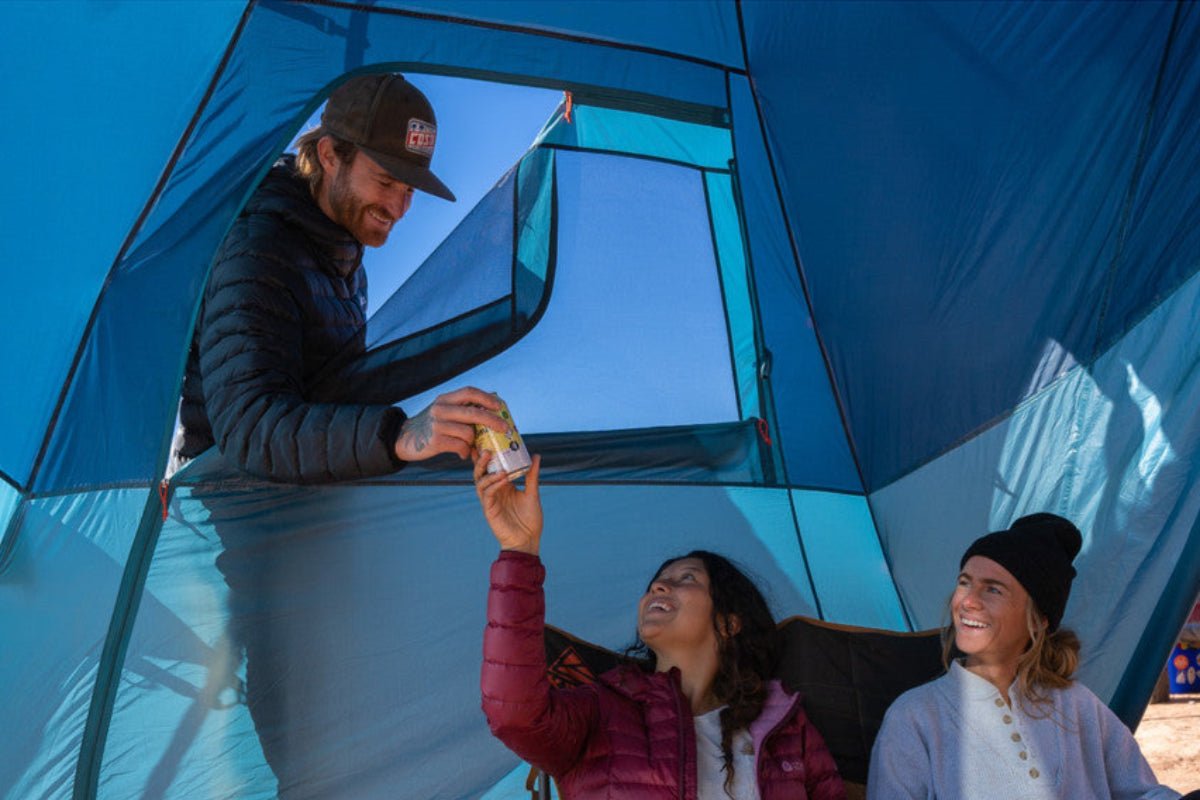
At home a tarp is something you pitch when it rains. In the UAE it decides whether your camp is usable in the middle of the day, even in December. Open desert and most beaches have no trees, and the sun is strong all season. This guide is about shade as a system: which kind to bring, how to pitch it so it actually shades you, and what to do when the wind comes.
Where the shade falls
The UAE lies just north of the Tropic of Cancer, so in winter the sun crosses the southern part of the sky. Here is how that plays out over a day under a tarp:
- Morning: the sun is low in the south-east and the shade stretches long to the west. A tarp pitched flat and high throws its shade well away from your chairs; drop the eastern edge to bring it back.
- Midday: the sun is at its highest, in the south. The shade is shortest and falls just north of the tarp, so sit on that side.
- Late afternoon: the sun drops into the south-west and the shade swings long to the east. Lower the western edge, or move a side wall to that side.
The difference is that a roof you can re-angle, or a wall you can move, gives you hours more of usable shade than a fixed roof pitched once at noon.
Tarps: the most flexible shade
A tarp is light, packs small and can be pitched high for a group or low and angled for the afternoon. Noah’s Tarp comes in a range of sizes that Kelty describes as covering groups of 1 to 20 people; that range is the whole line, not one tarp. The Noah’s Tarp 9 is the compact option for a pair; the larger Noah’s Tarp 12 covers more ground for a family or a group sitting together.
Poles are sold separately. A typical ridge pitch uses two poles; you can also run one side to the car or to anchors and use a single pole. The Staff Pole is an aluminium pole about 2 m long with a 5 cm grommet tip. The Adjustable Pole adjusts from about 2 to 2.5 m, so you can raise the tarp for a breeze or lower it as the sun drops.
Tarp and poles
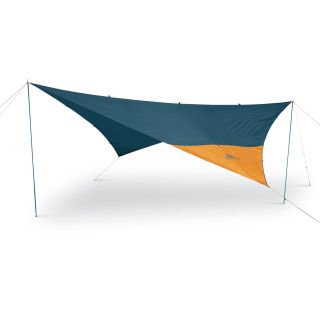 KeltyNoah's Tarp 9fromAED 79.95in stock
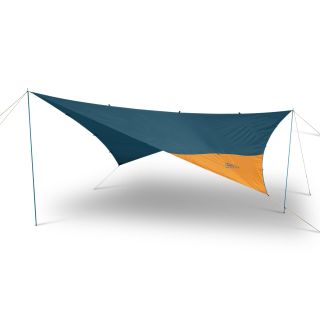 KeltyNoah's Tarp 12fromAED 89.95in stock
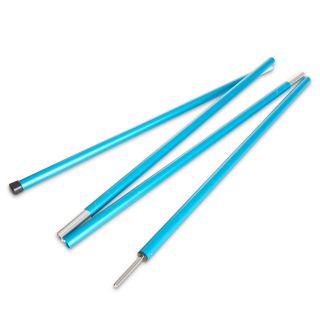 KeltyStaff PolefromAED 59.95low stock
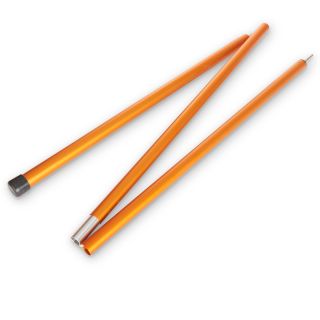 KeltyAdjustable PolefromAED 99.95low stock
Car-mounted shade
Most UAE camps are next to a car, and the car can replace several anchors in the sand. Only use attachment points that can take the load: a roof rack or rail rated for it, not trim, mirrors or a door seal. A gust on a large awning pulls hard.
- The Sideroads Awning attaches to the rear or side of most hatchbacks, SUVs, jeeps and vans, with fibreglass poles and Quick Corners for a quick setup.
- The Backroads Shelter adds side walls that roll down for privacy and wind protection, or roll up for a breeze.
- The Waypoint Tarp attaches to most vehicles without a permanent mount and uses a single pole; Kelty says the design is sturdy enough to leave up overnight.
For heavy use, the HighRoads Shelter has heavy-duty fabric, aluminium poles and a universal attachment system for tall or small vehicles. All of them are in shelters.
Shade from the car
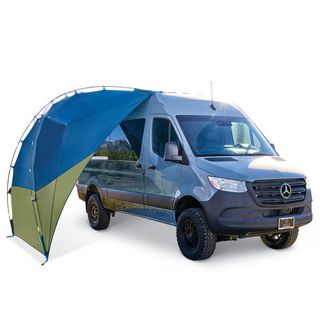 KeltySideroads AwningfromAED 134.95in stock
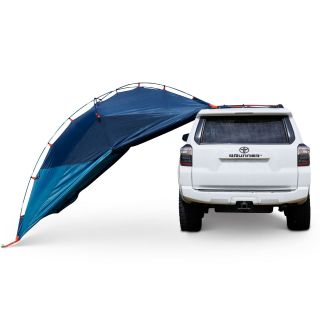 KeltyBackroads ShelterfromAED 179.95in stock
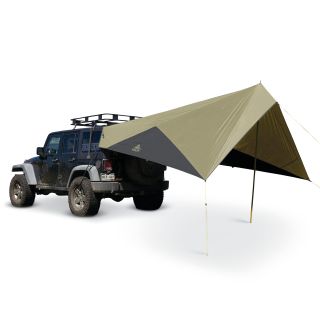 KeltyWaypoint Tarp — ElmfromAED 149.95low stock
Free-standing shade for beach and dunes
Away from the car, you need shade that stands on its own. Kelty says the tripod construction of the Sunshade With Side Wall makes windy days a breeze, and its movable wall gives cover at any time of day as the sun moves. Take that as a design feature, not a wind rating: when the wind picks up, any sunshade needs to be secured, and taken down if it keeps building. The Cabana is more enclosed: it sets up with Quick Corners, has a privacy front wall that toggles in place, and windows you open for airflow. On a beach it doubles as a changing room.
Free-standing shade
 KeltySunshade With Side Wall — MalachitefromAED 159.95in stock
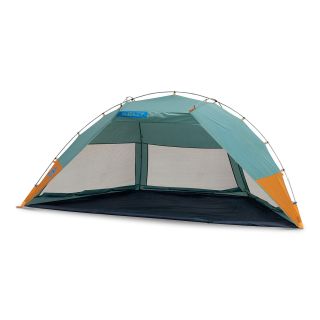 KeltyCabana — MalachitefromAED 119.95low stock
Wind: when to take shade down
Every square metre of shade is also a square metre of sail. The wind in the desert often rises in the late afternoon, and a tarp that was fine at noon can pull its anchors by sunset. Lower the windward edge as the wind builds, check the guylines, and take awnings and sunshades down before you leave camp or go to sleep, unless the maker says the design can stay up. If the wind becomes strong, take it down rather than adding more anchors: a shelter left up in strong wind is how poles bend and fabric tears.
Shade checklist
- One shade structure per group, sized for everyone sitting at once.
- Enough poles for the pitch you plan, or a car with load-rated attachment points.
- Sand anchors or deadman material for every guyline.
- A plan for the afternoon: where the shade will be at 3 pm, not only at noon.
- Water for the hottest hours: see how much water to carry.