
What to recommend to beginners in your club: a starter list that won’t let them down
A starter list club leaders can give new members: what everyone carries, what to buy first, what to borrow, and how to explain cost per trip honestly.
By Outlandia Editors ·
Every season, new members ask the same question: what should I buy? The club’s answer decides whether their first trips go well and whether they come back. Someone who sleeps cold in a tent that flaps all night rarely makes a second trip. This is a recommendation a club leader can hand over as it is, with the reasoning behind each line. Adapt it to your club’s trips.
What every member carries
Before any buying advice, set the minimum each person brings to every trip, whatever they borrow. Our suggestion:
- Their own water for the day, in containers they can carry.
- A headlamp with spare batteries or a charged power bank.
- A small personal first-aid kit and anything they personally need.
- Sun protection and a warm layer for the evening.
- A charged phone, and the leader’s number saved in it.
The principle: buy the core, borrow the rest
A beginner does not need everything at once. Three things decide whether a night outside is good or bad: shelter, sleep and a way to carry it. Those are worth buying with care. Kitchen gear, common-area shelters, big tarps, tables and recovery gear can be borrowed from the club, shared in the group or rented for the first season, until the member knows how they like to camp.
Shelter
Many members find a tent rated for one more person than will sleep in it more comfortable: room for bags and a bit of space in the evening. It is a preference, not a rule; a well-sized tent with a good vestibule works too. Keep gear in the vestibule or another covered space, not on open sand. Look for aluminium poles, quick setup and a footprint.
The Grand Mesa 2P and Grand Mesa 4P have lightweight aluminium poles, Kelty Quick Corners for fast setup and a Shark Mouth carry bag. For families joining the club, the Wireless 4P has two doors and two vestibules, so nobody climbs over anyone at night. Add the matching footprint, such as the Grand Mesa 4P Footprint, to protect the floor from sand.
First tents
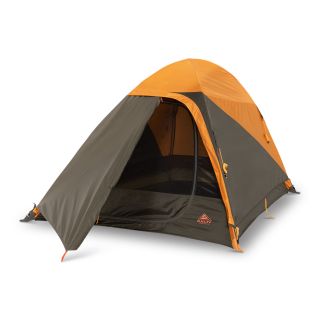 KeltyGrand Mesa 2P TentfromAED 149.95in stock
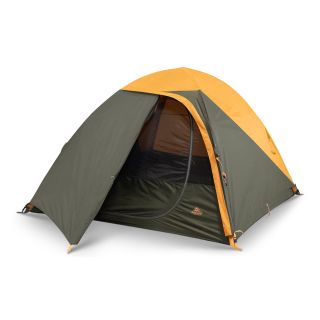 KeltyGrand Mesa 4P TentfromAED 224.95in stock
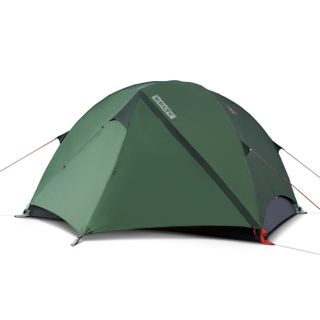 KeltyWireless 4P TentfromAED 189.95in stock
 KeltyGrand Mesa 4P FootprintfromAED 39.95in stock
Sleep
This is where beginners save money and regret it. Tell them plainly: the pad matters as much as the bag. Choose a bag by the temperature figures on its product page and by where the club camps, not by the number in its name. In Kelty names that number is the US label, not degrees Celsius and not a standard comfort or limit rating.
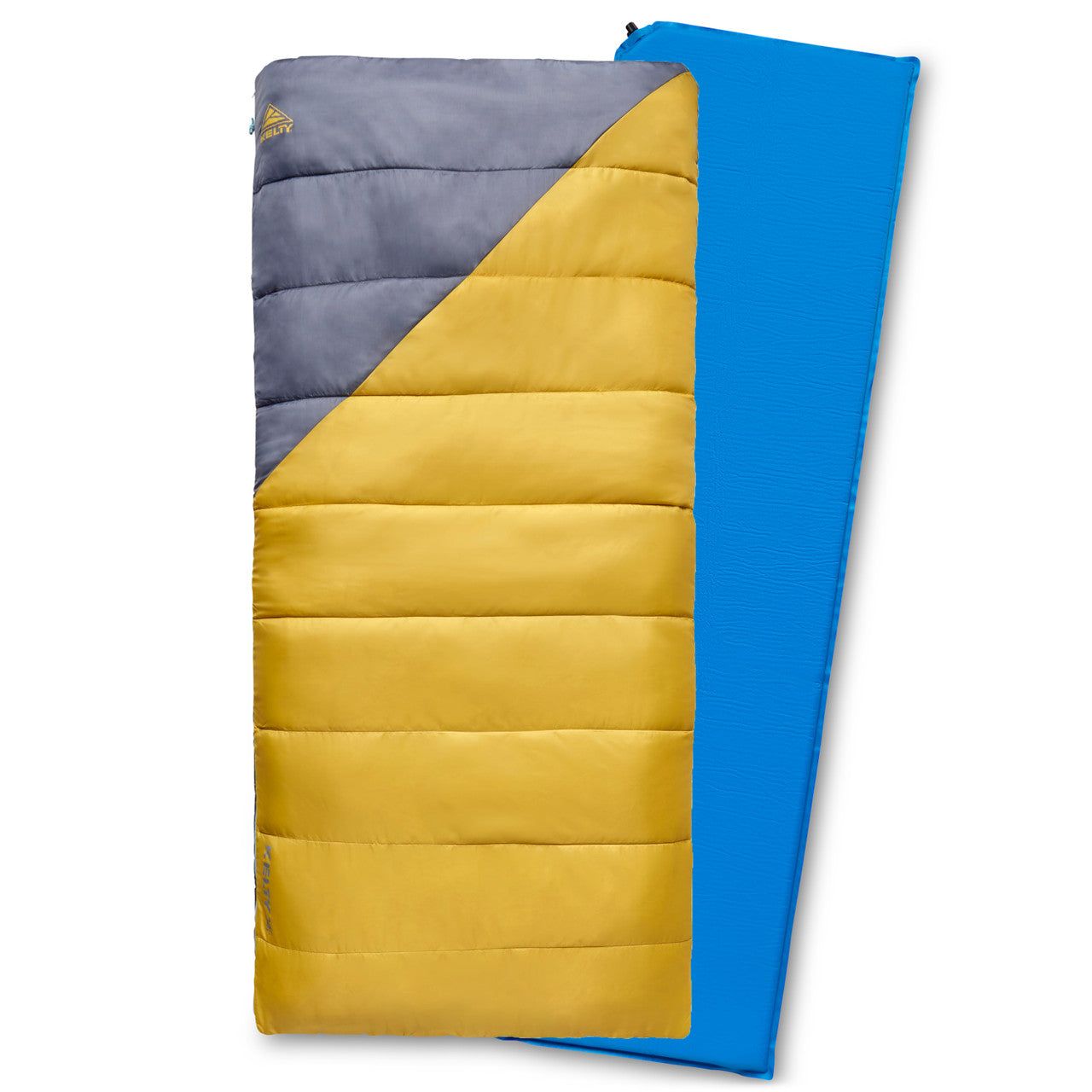
The Campground Sleeping Kit is a starter set made for new car campers: a sleeping bag with a 40 in its rating, about 4 °C, and a self-inflating pad that pack together in a shared duffle. For members who want to choose separately, the Mistral 40 uses recycled CloudLoft ECO insulation at a budget price, and the Mistral SI pad is made for first-time campers, inflates easily and weighs under 1.4 kg in its stuff sack. Whether a bag like this is warm enough depends on the trips: desert nights in mid-winter and the mountains get colder. Point them to the sleeping bag guide for UAE winter and to sleep system specs for how pad and bag work together.
First sleep system
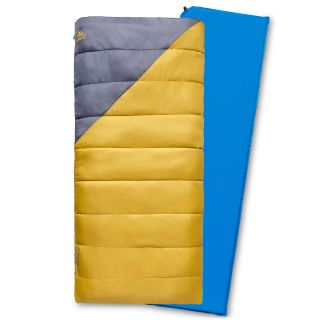
- −25%
KeltyCampground Sleeping KitfromAED 82.46AED 109.95Out of stock KeltyMistral 40 Sleeping BagfromAED 69.95in stock
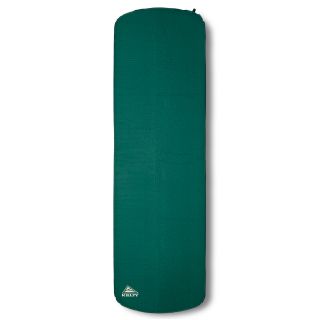 KeltyMistral Si Sleeping PadfromAED 49.95in stock
Carry and walk
The right first pack depends on how long the club’s trips are, how much shared kit each person carries, and the member’s body: back length and hip size matter more than litres. For day hikes, Kelty describes the Asher 35 as the go-to pack. Have the member try it loaded before buying. Trekking poles are worth recommending for rocky descents; the Upslope 2.0 is a light, compact pair with an easily adjustable length. For car camping clubs, one comfortable chair is used every evening of every trip: the Lowdown Chair has a durable steel frame and a low, relaxed seat.
Gear in this guide
 KeltyAsher 35 — BelugafromAED 109.95low stock
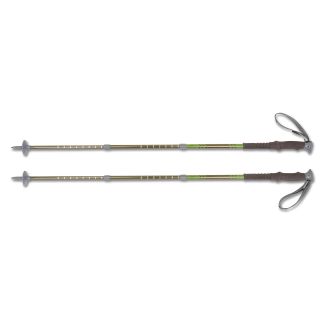 KeltyUpslope 2.0fromAED 49.95in stock
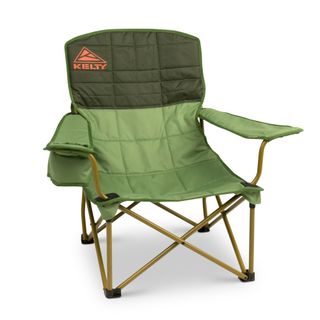 KeltyLowdown Chair — DillfromAED 79.95in stock
How to talk about cost
Beginners compare price tags. Help them compare cost per trip instead: what they pay divided by the number of trips they use it on. The numbers here are round examples, not prices. A starter kit at 800 AED used twice is 400 AED a trip; used ten times, 80 AED a trip; used twenty times over two seasons, 40. A 300 AED kit replaced after two trips has cost 150 AED a trip. Ask the member how often they plan to come out, and let them run the numbers. No promises about how long anything will last: care and conditions decide that. Our article on gear cost per night for clubs has the full method.
What to wait with
- Specialist gear for conditions they have not met yet, such as an expedition-weight bag before they know which trips they will join.
- Big shared items: kitchen shelters, large tarps, tables. The club has them.
- Gadgets before basics. A good pad does more than any accessory.
Light gear is not wrong for car trips; it packs small and also works for hiking later. For a first kit it is a choice, not a requirement.
The list to hand over
- The personal minimum above, on every trip.
- Tent sized for how they camp, with aluminium poles and a footprint.
- Sleeping bag chosen by its temperature figures for the club’s trips, plus a pad.
- Daypack fitted to them (hikers) or a chair (car campers); trekking poles for hikers.
- Borrow or rent for the first season: kitchen, shelter, tables, recovery gear.
- Bring everything to the gear check before the first trip.